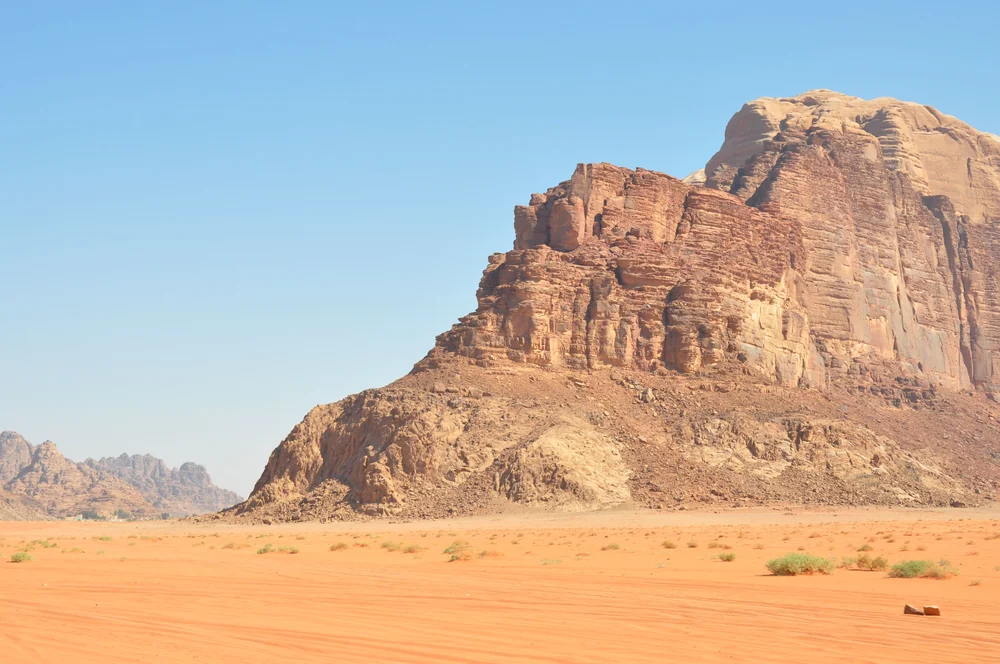
Sandstone mountains rise from broad desert valleys in Wadi Rum. Explore with a local Bedouin guide, make space for the changing evening light, and spend a night to experience the desert at a quieter pace.
Desert landscapes
Discover dunes, sandstone walls, and open valleys on a route agreed with your local guide.
Rock art and inscriptions
Look for the traces of people who travelled and lived in this desert long before modern visitors.
An overnight stay
Let sunset and the next morning become part of the experience, rather than rushing back to the road.
A landscape with a human history
Wadi Rum is recognised by UNESCO for both its natural landscape and its cultural record. The desert contains rock art and inscriptions as well as dramatic geological formations. Understanding those traces adds another dimension to the scenery: these valleys are also part of a long history of movement, knowledge, and settlement.
Explore with a local Bedouin guide who can explain the places along the route. Ask about inscriptions and everyday desert life as well as the best-known viewpoints. The most rewarding tour does not have to include the largest number of stops.
Choose your desert day before choosing your camp
Start with the experience you want: a scenic drive with short walks, a more active walking day, or a relaxed overnight stay. Then ask operators about the route, group size, pickup point, meals, and the amount of time outside the vehicle. These details matter more than a photograph of the accommodation.
If climbing or scrambling interests you, describe your experience honestly and request an appropriately qualified guide. An attractive rock bridge in a photograph is not automatically a suitable walk. Confirm what is included and what requires a separate arrangement.
Why an overnight stay changes the trip
A night in Wadi Rum gives your schedule room to breathe. You can arrive without chasing sunset, enjoy an evening meal, and spend time outdoors after the day’s excursions. For stargazing, moon phase, cloud, and lighting near the camp all influence the experience; a dramatic sky is never guaranteed.
Ask where the camp is located in relation to the protected area and which transfers are required. If quiet surroundings matter to you, discuss lighting, music, and the distance from neighbouring camps. Bring a warm layer even when your wider Jordan itinerary is centred on sunshine.
Fit Wadi Rum into a southern Jordan route
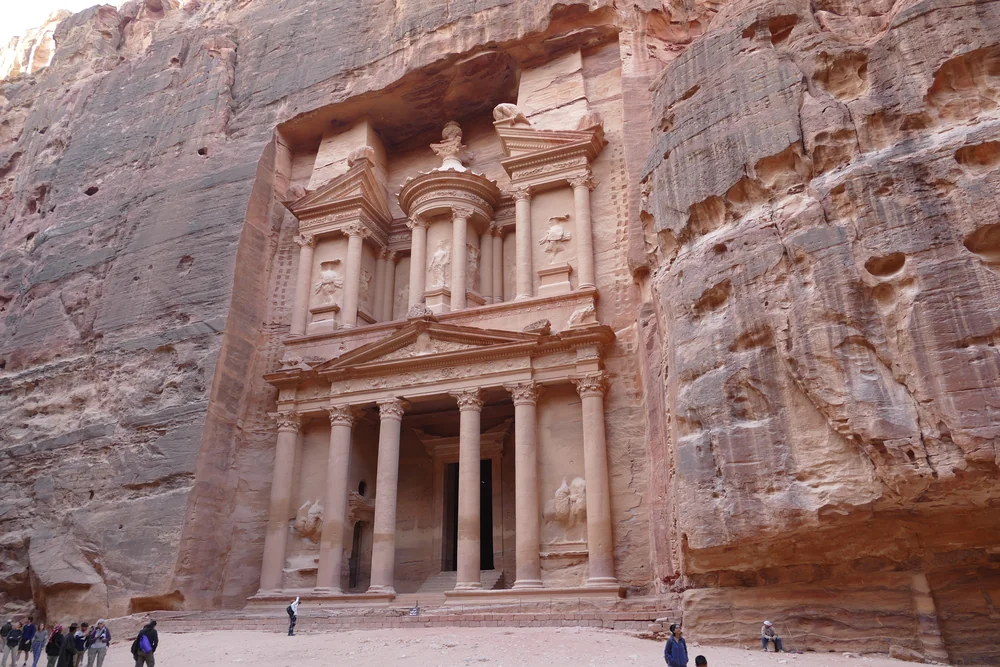
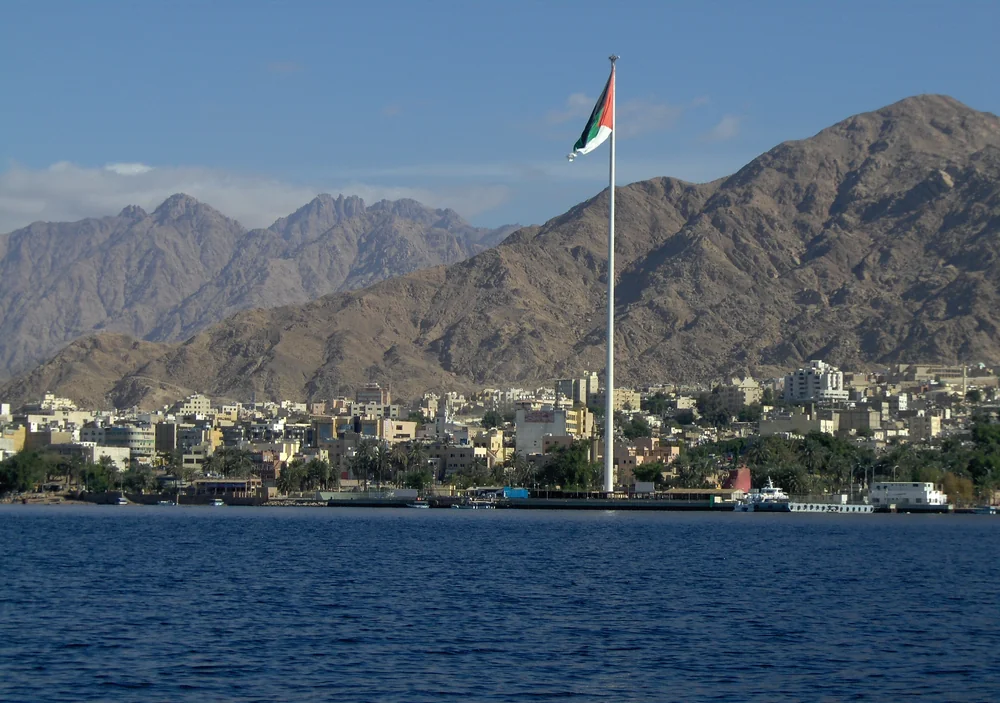
Petra, Wadi Rum, and Aqaba form a natural sequence for a trip through the south. Leave a buffer between a long walking day in Petra and any ambitious desert activity. Ending in Aqaba can work well when you want time beside the Red Sea before travelling onward.
Use designated routes, pack out rubbish, and do not touch or add to inscriptions. Ask permission before photographing people. Follow your guide’s advice on weather and terrain, and do not wander away from camp without agreeing a route and return plan. Check current protected-area arrangements with your operator before departure.
A few good questions
Do I need to stay overnight in Wadi Rum?
A day trip gives an introduction to the landscape. An overnight stay is our suggested option if you want a less hurried tour and time for evening and early-morning light.
Can I explore Wadi Rum in an ordinary rental car?
Arrange the desert portion with a local operator and confirm where to leave your vehicle. A normal road transfer to the meeting point is different from driving through sand and protected desert terrain.
Plan with reliable information
Researched using the official references below. Opening arrangements, transport, trails, and entry conditions can change; confirm the details for your visit directly.
Last editorial review: . Published by Explore Jordan, an independent travel guide.