Amman brings together ancient hilltop ruins, lively downtown streets, independent galleries, and generous Jordanian food. Give the capital time at the beginning of your trip and it becomes far more than an arrival point.
The Citadel
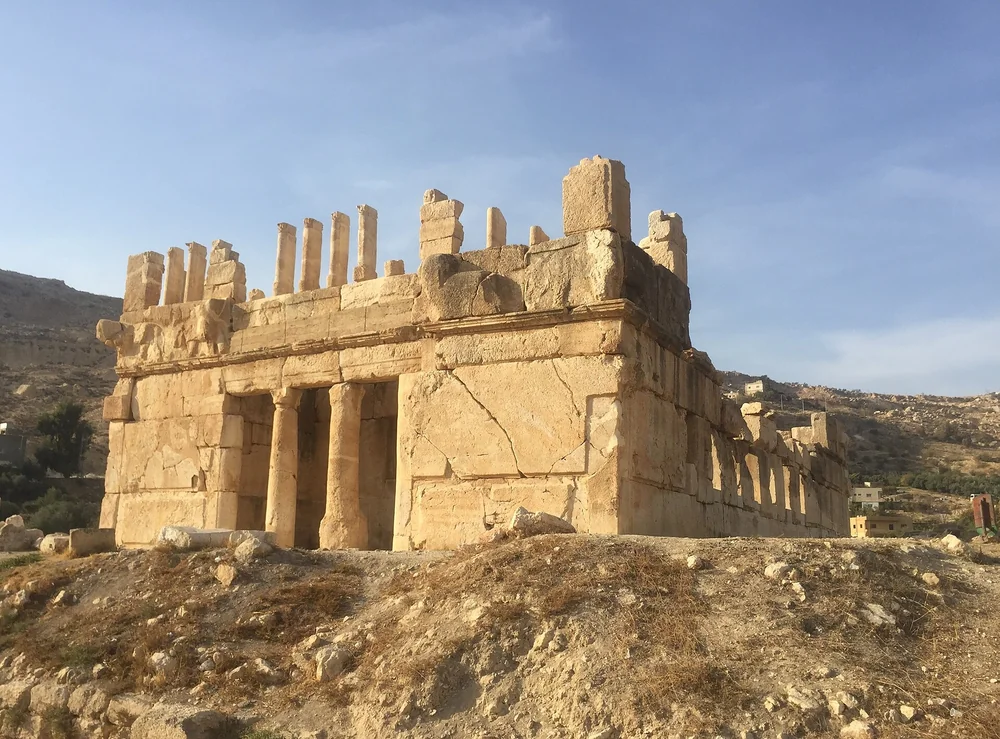
Start above the city with the Temple of Hercules, Umayyad remains, and a view across Amman’s hills.
Downtown and the Roman Theatre
Pair archaeological landmarks with a walk through the shops and food streets of the historic centre.
Jabal Al Lweibdeh
Make time for galleries, cafés, and a quieter neighbourhood walk.
Start with the city from above
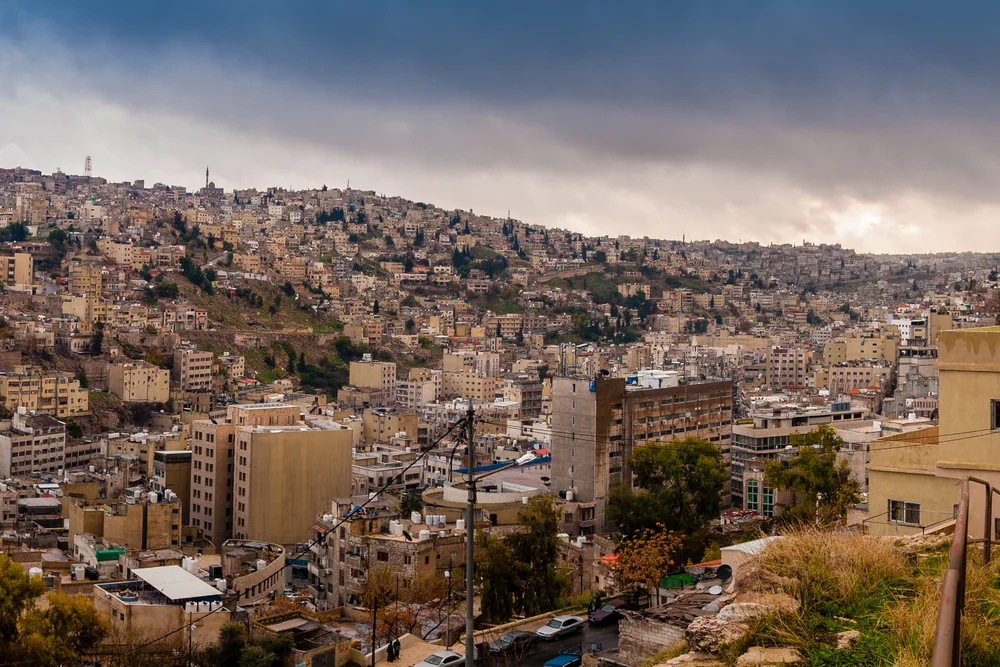
The Citadel gives a useful first impression of Amman’s geography. Hills roll away in several directions, and the historic centre sits below. Within the site, the Temple of Hercules and Umayyad Palace complex reveal different chapters of the city’s past.
Plan this as more than a viewpoint stop. Spend time with the archaeological remains, then use the panorama to orient yourself before exploring downtown. If stairs and steep streets are tiring, arrange transport between districts rather than assuming the entire day will be a continuous walking route.
Let downtown set the pace
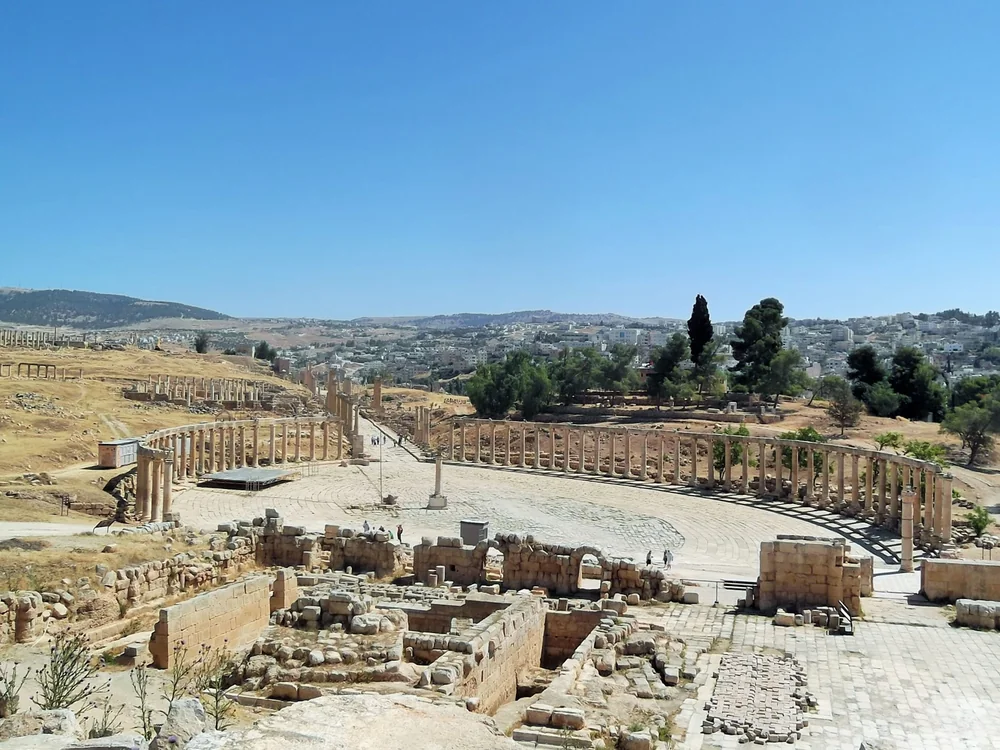
The Roman Theatre is a natural partner to the Citadel, but leave time around it for central Amman’s shops, food, and everyday activity. A walking route becomes more enjoyable when it includes an unhurried meal rather than only a sequence of monuments.
Start with a simple breakfast or lunch of dishes such as hummus, falafel, and fresh bread, then follow your appetite through the city. Ask what is prepared locally and what is in season. When photographing a market stall or a busy kitchen, ask the people involved before moving in close.
Choose a neighbourhood, not a checklist
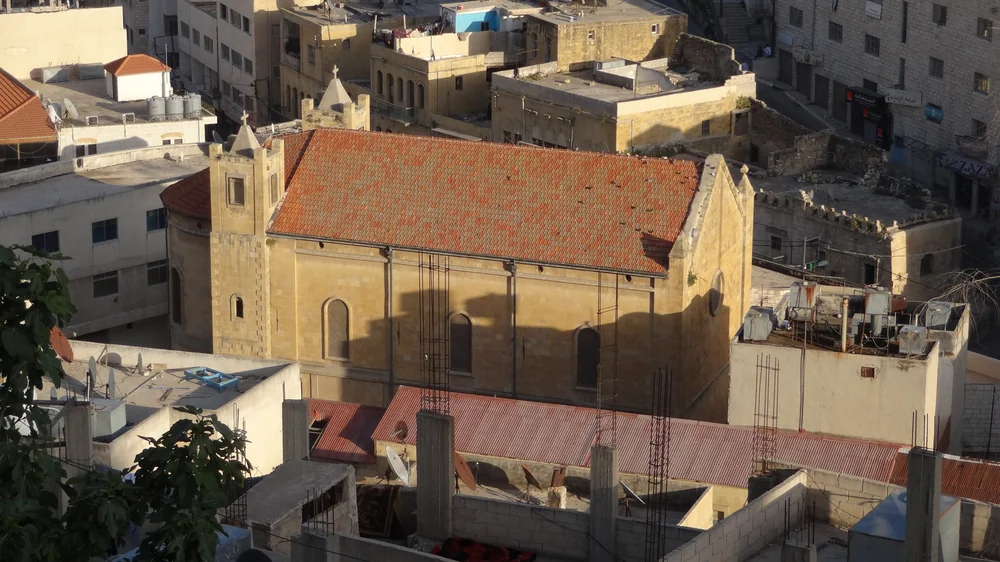
Jabal Al Lweibdeh suits a slower afternoon of galleries and cafés. Jabal Amman offers another way to explore the capital’s older residential fabric around Rainbow Street. Instead of trying to cover both districts, downtown, and several museums in a few hours, select one neighbourhood for a longer walk.
The Jordan Museum can add context for the archaeological sites you will see later in the country. Check its current opening arrangements before planning the day around it. Indoor visits are also useful when the weather makes a long outdoor route less appealing.
Use Amman as a base thoughtfully
One or two days in Amman gives space for the main historic sights and a taste of contemporary city life. Jerash and Ajloun can be planned as northern excursions, while As-Salt offers a different urban experience nearby. Avoid filling every day with distant return journeys if your route later continues south.
Choose accommodation by the areas you want to explore and the transport you expect to use. Traffic can change the practical length of a journey, so keep airport and intercity transfers separate from tightly timed sightseeing. Comfortable shoes, flexible plans, and regular breaks make more sense here than a rigid hour-by-hour schedule.
A few good questions
How long should I spend in Amman?
Allow a full day for a first introduction and two if you enjoy museums, food, and neighbourhood walks. The capital works well at the beginning of a trip before continuing to other regions.
Can I walk between all of Amman’s attractions?
Some central sights can be combined on foot, but hills and distances make a mixture of walking and local transport more comfortable. Plan around neighbourhoods rather than expecting one flat walking circuit.
Plan with reliable information
Researched using the official references below. Opening arrangements, transport, trails, and entry conditions can change; confirm the details for your visit directly.
Last editorial review: . Published by Explore Jordan, an independent travel guide.