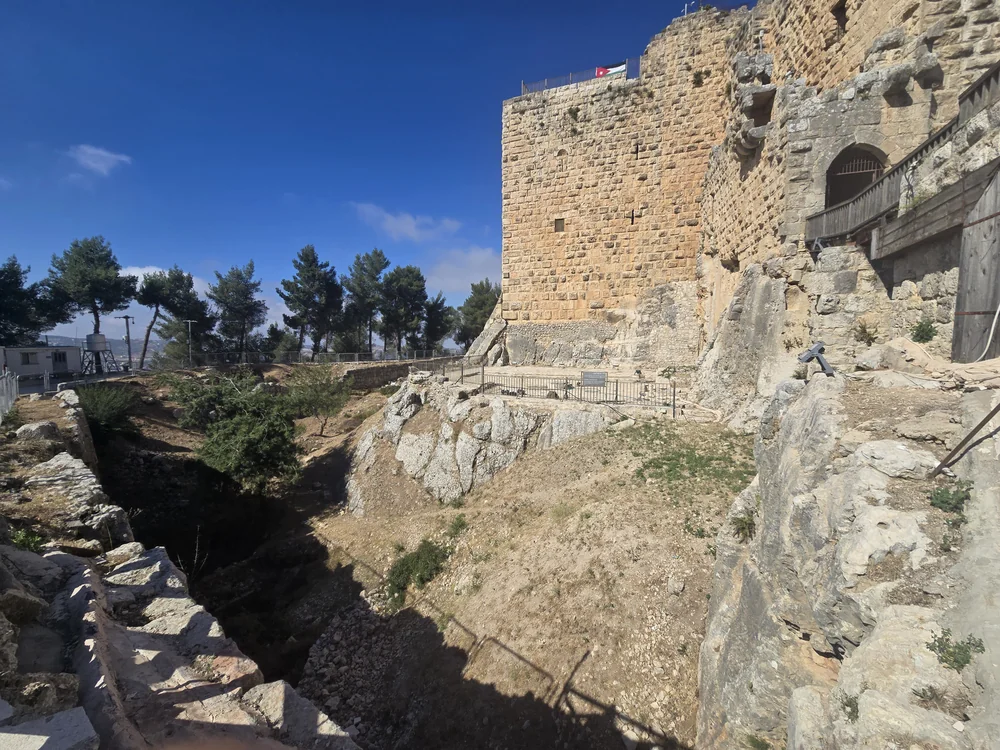
Responsible travel is often a collection of small decisions: where you spend the night, who leads your walk, how you photograph a busy street and what you leave behind at a viewpoint. Jordan's heritage sites and natural landscapes are also places where people live and work. A thoughtful trip gives those places time and care, while helping more of the value of your visit reach the communities hosting you.
Choose the people behind the experience
Ask who will guide the walk, cook the meal or run the camp. Booking with a local provider can create a more direct connection with a destination, but the useful question is what the experience actually includes and who benefits. A clear explanation of the team, route and payment is more meaningful than a vague sustainability label.
Jordan's official tourism information highlights community-linked experiences in places such as Ajloun and Dana. Consider making one of these a proper part of the itinerary rather than an optional shopping stop. Allow time for the conversation and the craft itself, and pay the agreed price without turning every interaction into hard bargaining.
Take care of heritage beyond the photograph
Ancient stone, mosaics and painted surfaces are not props. Follow marked paths and the site's instructions, stay behind barriers and avoid touching fragile decoration. A photograph from an unauthorised ledge is not worth damage to a place or pressure on staff to retrieve a visitor.
At quieter sites, the absence of a barrier does not mean every surface is suitable for climbing. If you are uncertain, ask the caretaker or guide. Leave stones, pottery fragments and other objects where they are. Buying a locally made contemporary craft is a better way to take something of the visit home.
Use reserves on their own terms
A reserve visit works best when planned around its operating rules. Check whether a trail needs a guide, whether it is open on your date and how transport works at the end. Dana's routes differ in length and requirements; Wadi Mujib's water activities depend on season and conditions. Treat an operator's closure decision as part of caring for the place and its visitors.
Stay on approved routes, keep noise down and give wildlife space. Do not feed animals or move closer for a photograph. Carry your waste out, including small items such as tissues and food packaging. If a bin is overflowing, take your rubbish to somewhere it can be disposed of properly.
Let water and energy use reflect the landscape
Use water carefully, particularly in desert accommodation. Ask for towel and linen changes only when needed, and turn off lights and cooling when leaving a room. A refillable bottle can reduce single-use packaging where your accommodation or operator can provide a suitable drinking-water refill.
When comparing accommodation, ask concrete questions about refill points, waste handling and local employment. The answers help you make an informed choice without relying on decorative claims. You do not need a perfect trip to improve its impact; repeated, practical choices are a useful place to start.
Photograph people with their permission
A market, workshop or home is someone else's everyday environment. Ask before making a person the subject of a photograph, and accept a refusal easily. Be especially careful around children and private family spaces. Buying something does not automatically buy permission to photograph the seller.
If invited into a home or workshop, follow the host's lead on shoes, seating and photography. Ask before sharing identifiable images publicly. A conversation without a photograph can be just as valuable, and sometimes it creates a more relaxed exchange for everyone involved.
Support places by spending time in them
One practical way to spread the benefit of travel is to stay longer in fewer places. Buy lunch in the town around a heritage site, choose a locally made souvenir and consider an overnight outside the busiest circuit. This also reduces the feeling that every stop must be completed before the next drive.
Plan excursions around your own ability and the welfare of any animals involved. Do not choose an activity simply because it appears in every itinerary. Ask how it is operated, listen to local guidance and be willing to change the plan. A thoughtful visit should feel comfortable for the people and places on both sides of the encounter.
A few good questions
How can I find community-linked activities?
Start with the official tourism pages for your destination and ask the provider who leads and benefits from the experience. Ajloun and Dana are useful places to explore these options.
What is the most useful habit at an archaeological site?
Follow the marked route and staff instructions, avoid touching or climbing fragile remains, and leave all objects where you found them.
Plan with reliable information
Researched using the official references below. Opening arrangements, transport, trails, and entry conditions can change; confirm the details for your visit directly.
- Jordan Tourism Board: Ajloun community experiences
- Jordan Tourism Board: Dana and Feynan
- Jordan Tourism Board: Wadi Mujib trail conditions
- Jordan Tourism Board: values and tradition
Last editorial review: . Published by Explore Jordan, an independent travel guide.