Walk through the Siq into a city carved from rose-coloured sandstone. Petra rewards a full day, and often two, with monumental tombs, Nabataean ingenuity, and trails that reveal how much lies beyond the Treasury.
The Siq and Treasury
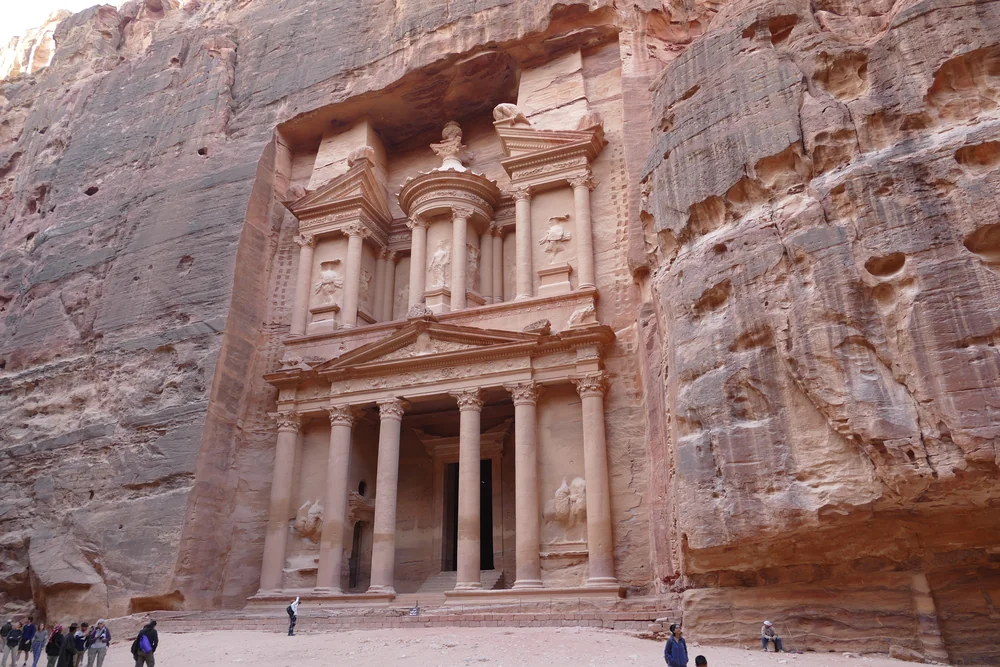
Follow the canyon approach to Al-Khazneh, the monument that introduces Petra to most visitors.
The Royal Tombs
Look closely at the immense façades and the natural bands of colour in their sandstone.
Ad Deir
Make time for the substantial uphill walk to the Monastery when conditions and your fitness allow.
A city, not a single monument
Petra was a major Nabataean trading centre, shaped by routes linking Arabia with the Mediterranean world. Its achievements include rock-cut architecture and a sophisticated system for managing scarce water. The Treasury is its most familiar image, but the wider archaeological landscape is what gives the visit depth.
Begin with the approach itself. Notice the water channels beside the Siq and the changing width of the passage before entering the open space in front of the Treasury. Continue into the valley rather than making that first viewpoint the end of your day.
Choose a route that leaves room to look
For a first visit, make the main route, Theatre, Royal Tombs, and the central city your priorities. Stop to compare façades instead of treating each one as a photograph to collect. A local licensed guide can help explain why buildings that look similar served different purposes.
Ad Deir, usually called the Monastery, requires extra walking and many steps. Build your day around that climb if it matters to you; do not add it at the last minute when you are tired or running short of daylight. Ask the visitor centre which trails are currently open.
Stay in Wadi Musa and give Petra time
Wadi Musa is the practical base beside Petra. Spending the night there makes an early start easier and avoids combining a long intercity transfer with your biggest walking day. Two days allow you to divide the main valley and a longer trail, with time for the Petra Museum.
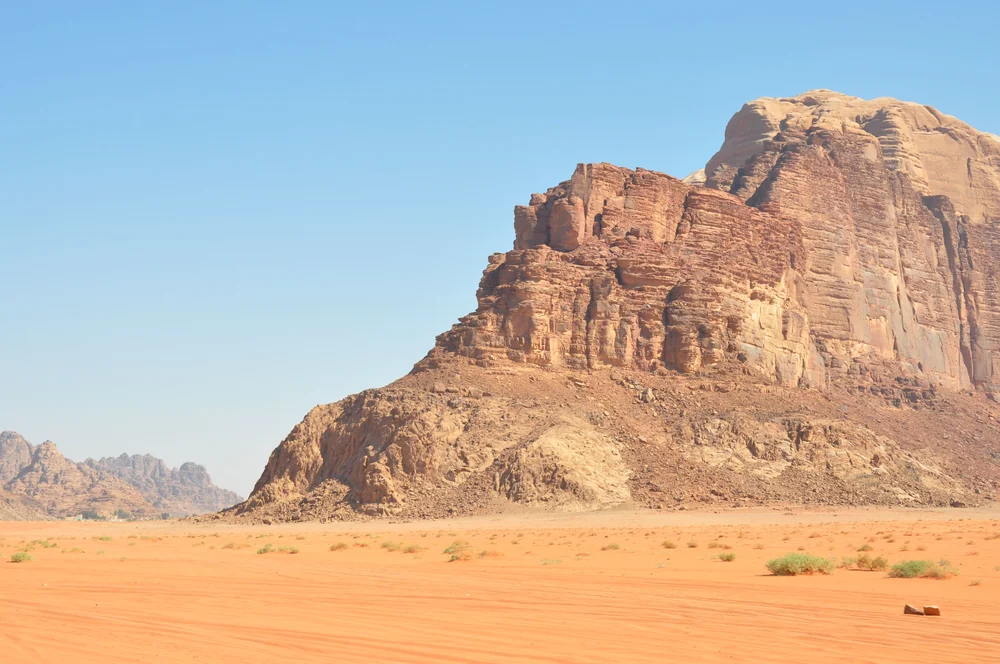
Choose accommodation with the return journey in mind: a short distance on a map may involve a steep hill. When arranging a driver, agree on the meeting point and allow enough time to walk back through the site. Keep your onward trip to Wadi Rum for a separate, less hurried part of the itinerary.
Make the visit comfortable and considerate
Carry water, sun protection, and shoes with reliable grip. Exposed paths and shaded canyon sections can feel quite different, so a light layer can be useful. Petra is an archaeological site with uneven ground; visitors with mobility needs should discuss current assistance and permitted routes with the official visitor centre before travelling.
Keep off carvings and closed paths, leave archaeological material where it is, and ask before photographing people. Check animal welfare before accepting a ride. Evening events have their own arrangements, so confirm the current programme and ticket conditions separately from daytime admission.
A few good questions
Is one day enough for Petra?
One full day works for the main route and selected highlights. Two days are a better fit if you want a longer climb, a slower pace, or more time for the museum and surrounding landscape.
Is Little Petra the same site?
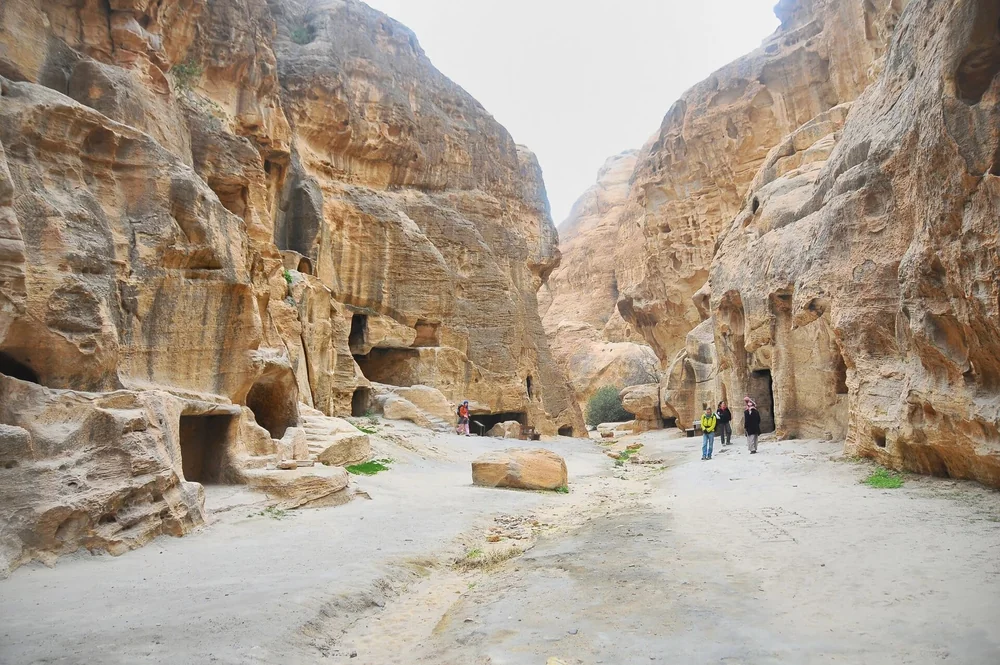
Little Petra is a separate, smaller archaeological site north of the main Petra entrance. It is a useful addition to a Wadi Musa stay, but it does not replace a visit to Petra itself.
Plan with reliable information
Researched using the official references below. Opening arrangements, transport, trails, and entry conditions can change; confirm the details for your visit directly.
Last editorial review: . Published by Explore Jordan, an independent travel guide.