Find your
kind of Jordan.
Come for ancient stories, fresh air, everyday culture, or the simple pleasure of slowing down. There’s more than one way to feel a place.
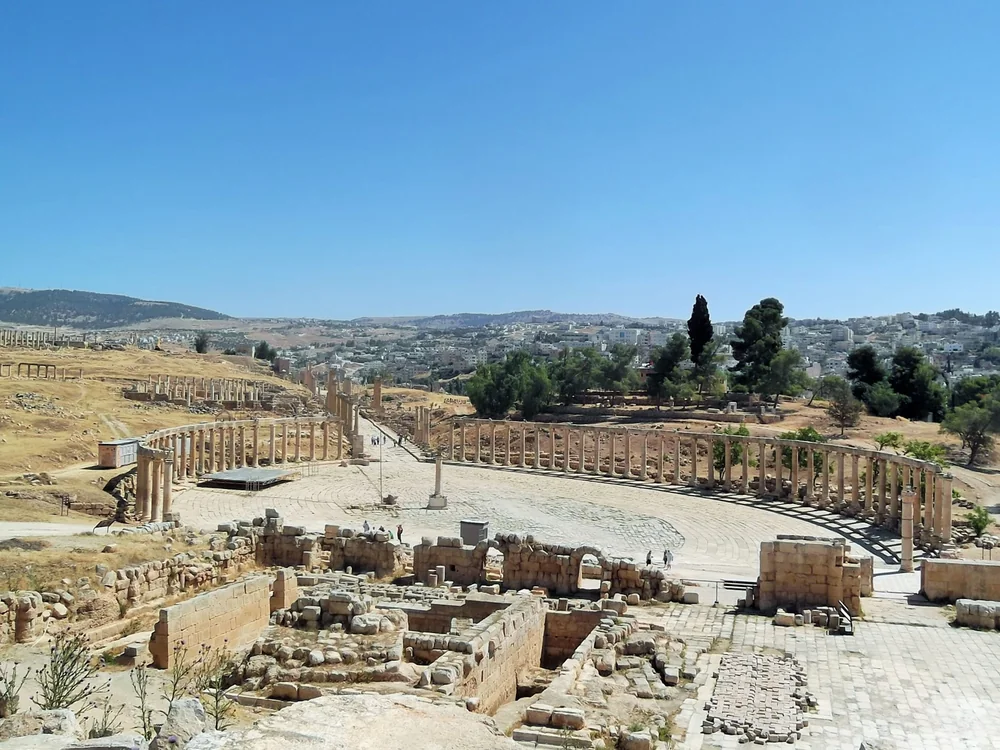
Walk into another time.
Jordan’s history is written into its landscape. Follow the water channels through Petra’s Siq, walk the colonnaded streets of Jerash, or look closely at the mosaics of Madaba and Umm ar-Rasas. These are places for looking, listening, and asking questions, rather than racing from one photograph to the next.
A licensed local guide can connect the details: why a city grew here, how trade shaped it, and what survived when its purpose changed. Pair one large archaeological site with a smaller stop instead of making every day a list of monuments. Give Petra a full day or more, and leave time for a meal in the town where you stay.
The northern sites work well from Amman or a northern base. The King’s Highway links Madaba, the Karak region, and the approach to Petra. For an eastern journey, Quseir Amra and Umm al-Jimal introduce a different palette of frescoes, desert architecture, and black basalt. Confirm access before setting out.
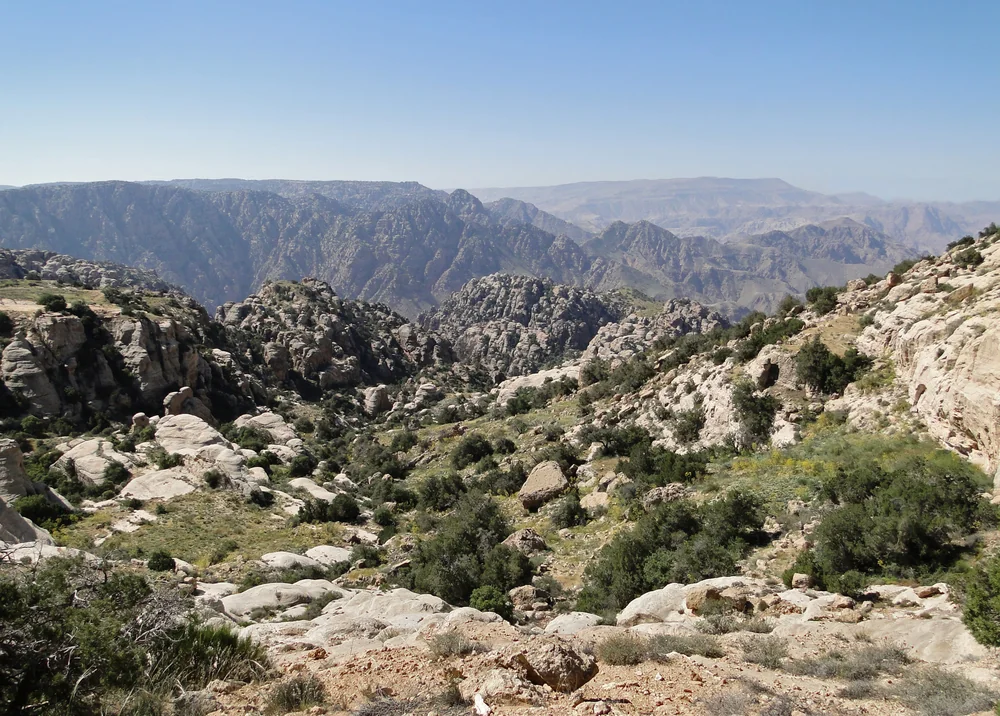
Leave room for the wild.
An oak woodland, a sandstone desert, a highland village above a great valley: Jordan’s outdoor experiences are strikingly varied. Choose a place for the kind of day you want. Ajloun suits a forest outing, Dana offers reserve-based walks, and Wadi Rum invites a slower journey through a vast desert landscape.
Build the visit around a suitable route and a responsible local operator. Protected areas have their own entry arrangements, guide requirements, and seasonal restrictions. A path that looks short on a map can involve exposed ground, steep changes in elevation, or more heat than you expect. Ask the reserve or visitor centre about current conditions.
Wadi Mujib’s water routes require particular planning: weather, water conditions, and operating decisions govern access. They are not an all-year substitute for a casual walk. For a gentler nature visit, consider the boardwalks at Azraq Wetland Reserve or a guided conservation experience at Shaumari, checking availability before travelling.
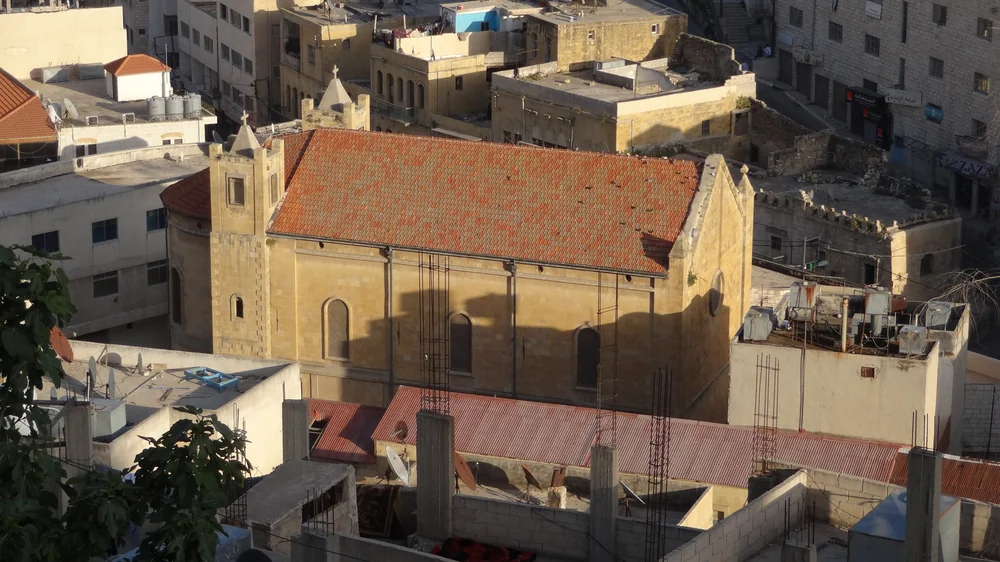
The little things are the big things.
Make space for ordinary life. Spend a morning in downtown Amman, explore the streets and stairways of As-Salt, or watch the care that goes into a mosaic in Madaba. A good day does not need a long drive or a famous viewpoint. Sometimes it needs a market, a museum, and enough time to sit down.
Choose local restaurants, community-run experiences, and small businesses when you can. Ask before photographing people and be considerate in religious spaces. Clothes, behaviour, and opening hours may need extra thought around places of worship and religious observances; follow the guidance at each site.
Food gives this part of a journey its own rhythm. Try a breakfast of hummus, falafel, and fresh bread, learn what makes mansaf distinctive, and make room for a sweet stop. Ask your hosts about ingredients if you have dietary requirements. Local hospitality is an invitation to connect, never a reason to assume photographs or visits are welcome without asking.
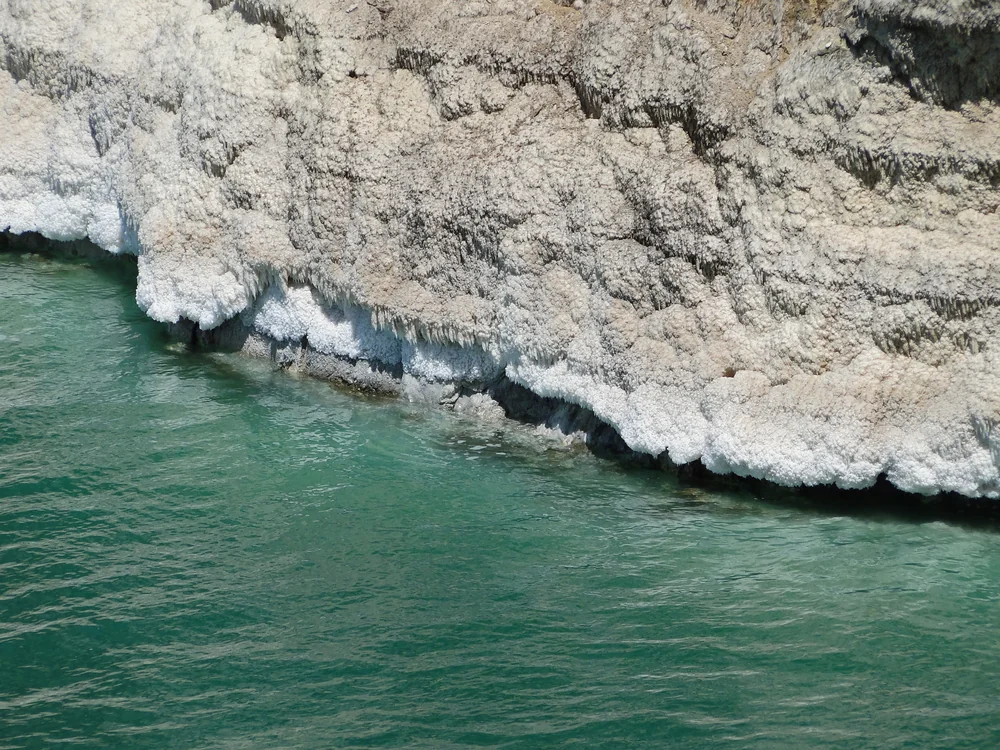
The art of slowing down.
A quieter day can change the feel of an entire trip. The Dead Sea makes a natural pause between the highlands and the south, while Aqaba brings the Red Sea into the journey. They offer different experiences: a short, supported float and time to unwind at the Dead Sea; a coastal stay, boat outing, or guided underwater experience around Aqaba.
Choose a managed Dead Sea access point with showers and clear local guidance. Enter carefully, keep the water away from your face, and follow the advice on site. Shoreline conditions vary, so a photograph of an appealing stretch of coast is not enough to establish safe or permitted access.
In Aqaba, look for a responsible dive or snorkel operator who matches the activity to your ability and explains marine protection rules. Avoid standing on or touching coral, keep your distance from wildlife, and check weather and sea conditions before a boat trip. Book travel days with breathing room so the final evening is a real pause, rather than a race back north.