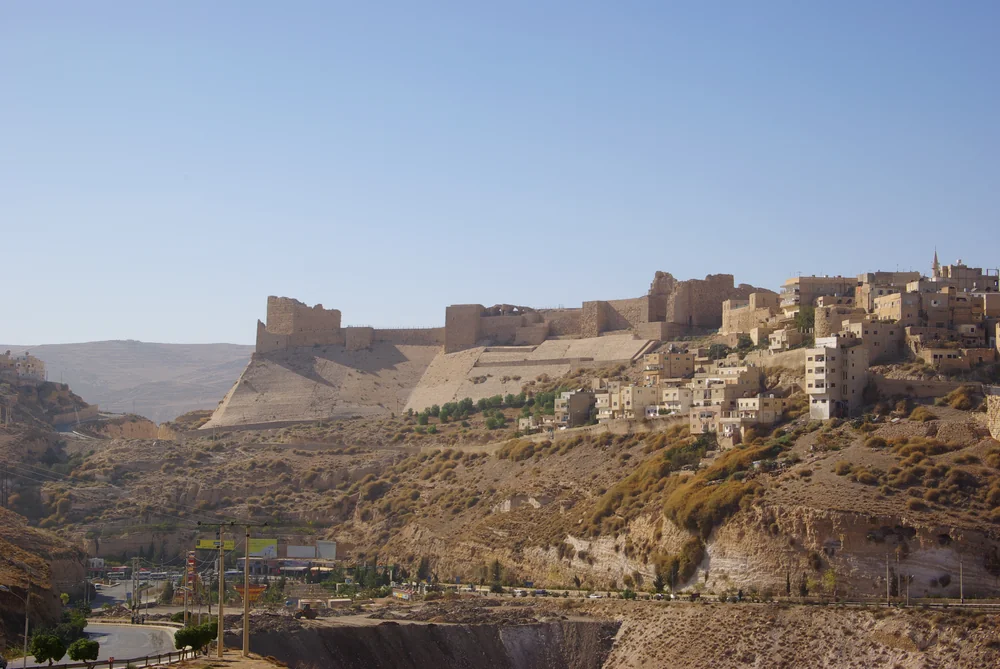
Karak’s great castle anchors a hilltop city on the King’s Highway. Explore vaulted spaces and broad views, then leave time for the modern town around the fortress.
Karak Castle
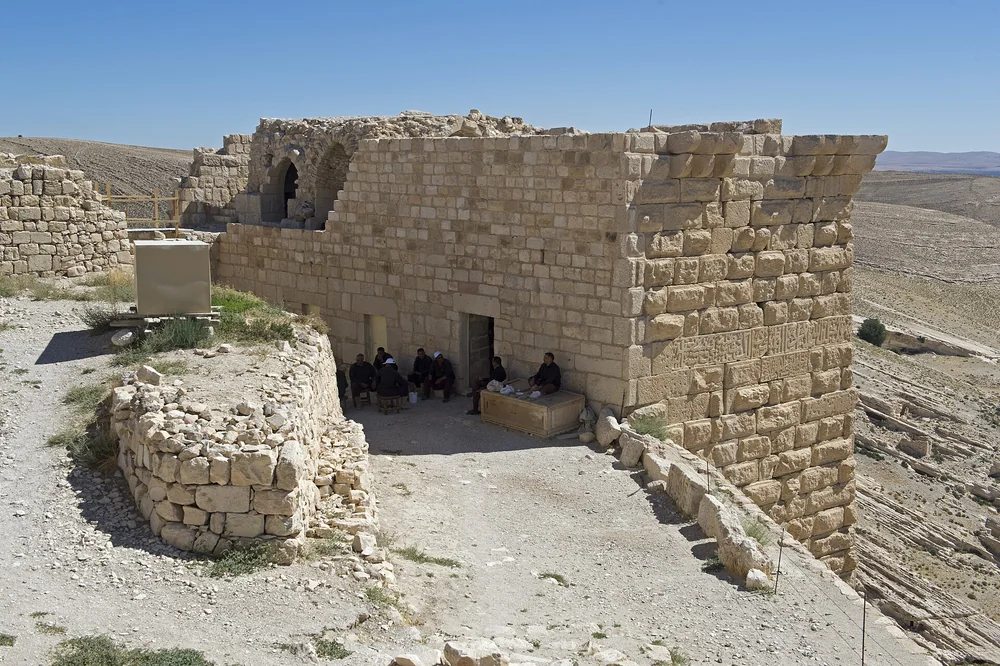
Follow the permitted route through a large medieval fortress with several historical layers.
Vaulted passages
Step into the interior spaces that make the castle more than an impressive silhouette.
The hilltop town
Pair the archaeological visit with lunch and a walk through nearby streets.
Understand the castle’s commanding position
Karak’s hilltop location explains much of its appeal and importance. The castle is associated with the Crusader period and later Islamic rule, and its surviving fabric reflects a long history of use and change. From the approaches, the relationship between fortress, town, and valleys is immediately striking.
Begin by taking in that position before concentrating on individual rooms. A local guide can help distinguish the phases of construction and make sense of spaces that might otherwise feel like a maze of stone. The visit becomes more engaging when you imagine the practical needs of a fortified settlement.
Explore the interiors at a comfortable pace
The castle’s vaulted halls and passages are a central part of the experience. Move slowly where light changes, watch for uneven floors, and follow the current visitor route. A small torch can be useful for looking at permitted interior details, but it is not a reason to enter closed or unmaintained areas.
Balance indoor exploration with time in the open courtyards and on approved viewpoints. Looking back at the walls from different levels helps you understand their scale. If stairs or enclosed spaces are a concern, ask staff which sections are suitable before beginning the route.
Make space for Karak beyond the walls
The modern town is not merely a car park for the castle. A meal and a short walk nearby can give the visit a more grounded sense of place. If you are interested in Jordanian food, ask a local restaurant what is freshly prepared that day and whether traditional dishes need to be ordered in advance.
Do not plan the stop so tightly that you only have time for the gate and a photograph. Even a modest extension lets you compare the fortress with the streets around it and take a proper break before driving onward. Ask permission before photographing people or small businesses at close range.
Use Karak to break a scenic journey
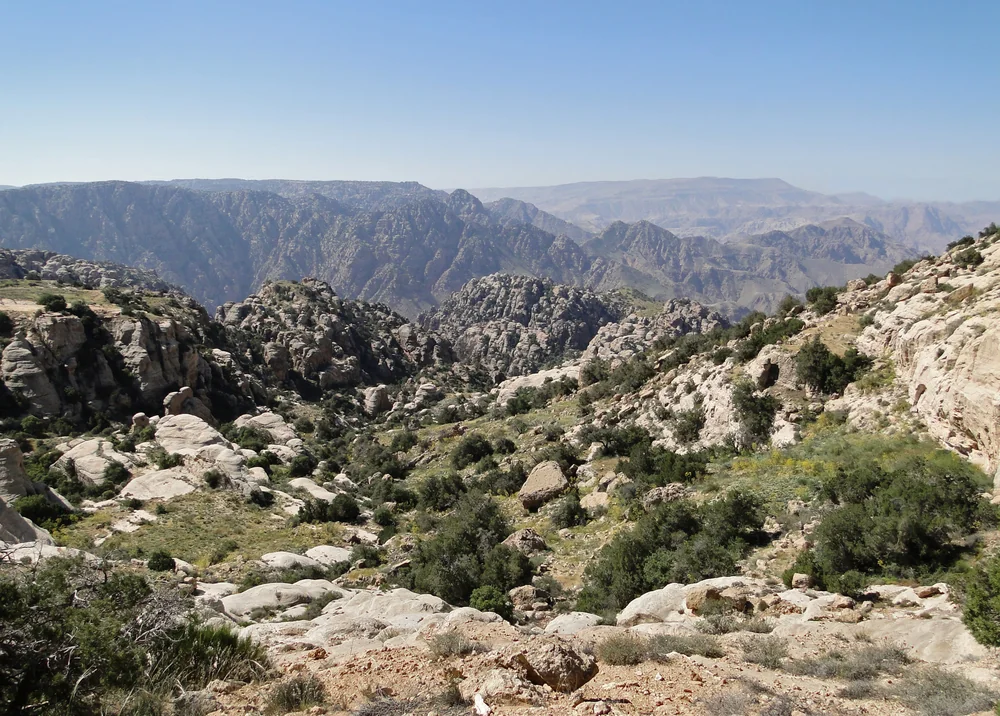
Karak fits naturally into a King’s Highway itinerary between the central highlands and southern Jordan. The road is part of the experience, with bends and changes in elevation that make it different from a direct highway transfer. Allow daylight and realistic breaks rather than calculating the day from distance alone.
If you plan to continue to Dana, Shobak, or Petra, choose the number of stops according to your interests and the season. A full castle visit plus an unhurried lunch may be enough for this stage. Check current admission and closing arrangements, bring water and shoes with grip, and keep time in reserve for the last stretch to your accommodation.
A few good questions
Is Karak a useful stop between Amman and Petra?
Yes, particularly on a scenic King’s Highway route. Allow time for the slower road, the castle, and breaks; it is a sightseeing journey rather than the fastest transfer south.
Should I choose Karak or Shobak?
Choose Karak for a substantial fortress within a living hilltop town. Choose Shobak for a more open, isolated hilltop setting near the southern part of the King’s Highway. History-focused travellers may enjoy both.
Plan with reliable information
Researched using the official references below. Opening arrangements, transport, trails, and entry conditions can change; confirm the details for your visit directly.
Last editorial review: . Published by Explore Jordan, an independent travel guide.