Shobak Castle rises above a quiet, rugged landscape north of Petra. Its ruined walls, later inscriptions, and hilltop setting make it a rewarding stop on a slower journey through southern Jordan.
The hilltop approach
Appreciate the fortress’s position before exploring the surviving buildings.
Medieval layers
Look for the changes left by the castle’s Crusader beginnings and later Islamic occupation.
A southern road-trip stop
Combine the visit with Dana or Petra while leaving enough time for the road.
Read the landscape around the fortress
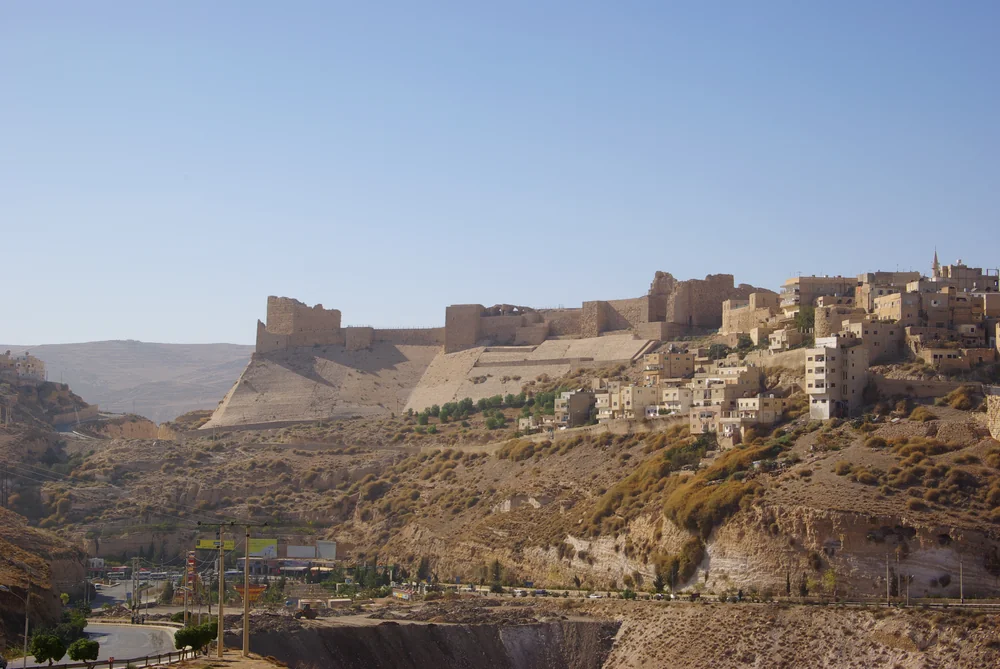
Shobak, historically known as Montreal, was founded by Baldwin I in 1115. It occupies a conical hill north of Petra, a position chosen to influence movement through the surrounding region. The isolated setting gives the site a different feeling from Karak’s castle within a busy town.
Pause on the approach to understand the relationship between hill, walls, and nearby land. The silhouette is compelling, but the visit is more interesting when you consider how the fortress functioned and why control of this particular location mattered.
Look for more than one period of history
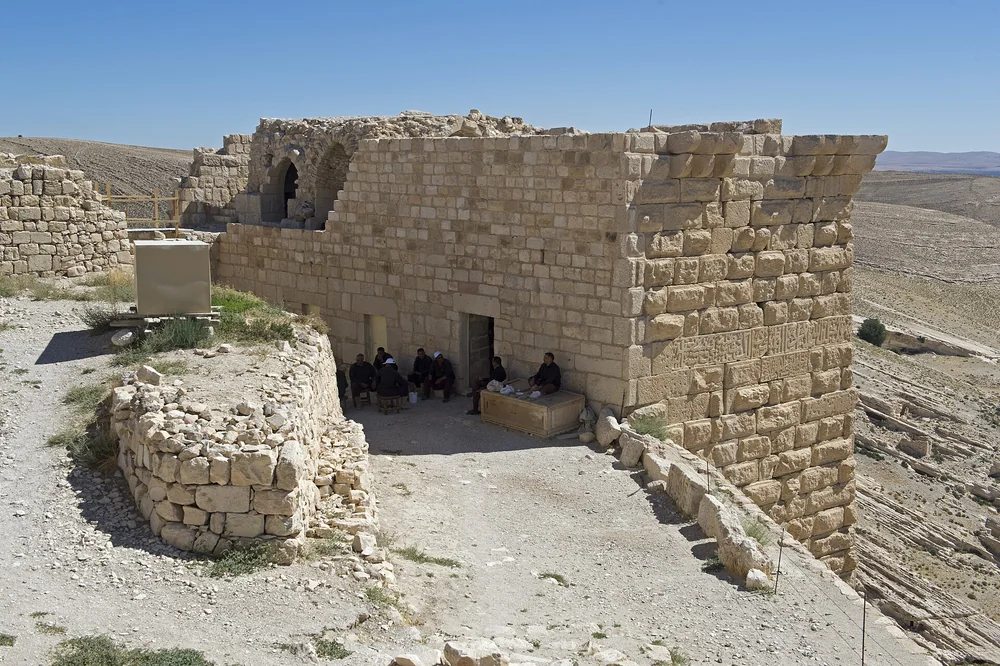
The surviving remains reflect later use and rebuilding as well as the castle’s Crusader origins. A guide can point out changes in masonry, inscriptions, and the arrangement of spaces. Those details help turn a scattered ruin into a readable historical place.
Follow the permitted paths and take time with the surviving rooms and viewpoints. Do not assume that a tunnel, stair, or opening mentioned in an older travel account is currently safe or open. Ask the staff about the route on the day, and respect barriers even if other visitors have stepped beyond them.
Make a modest visit feel complete
Shobak works best when you arrive with time for a careful walk rather than a hurried photo stop. Around one to two hours is a useful planning allowance, with more time if you have a guide or a strong interest in medieval architecture. The precise pace will depend on which areas are accessible.
Bring water and shoes with grip, and prepare for exposed ground and changeable highland conditions. Wind can make a comfortable temperature feel much cooler. If your group includes people who struggle with slopes or uneven surfaces, discuss the approach and available visitor route before setting out.
Fit Shobak into a realistic southern route
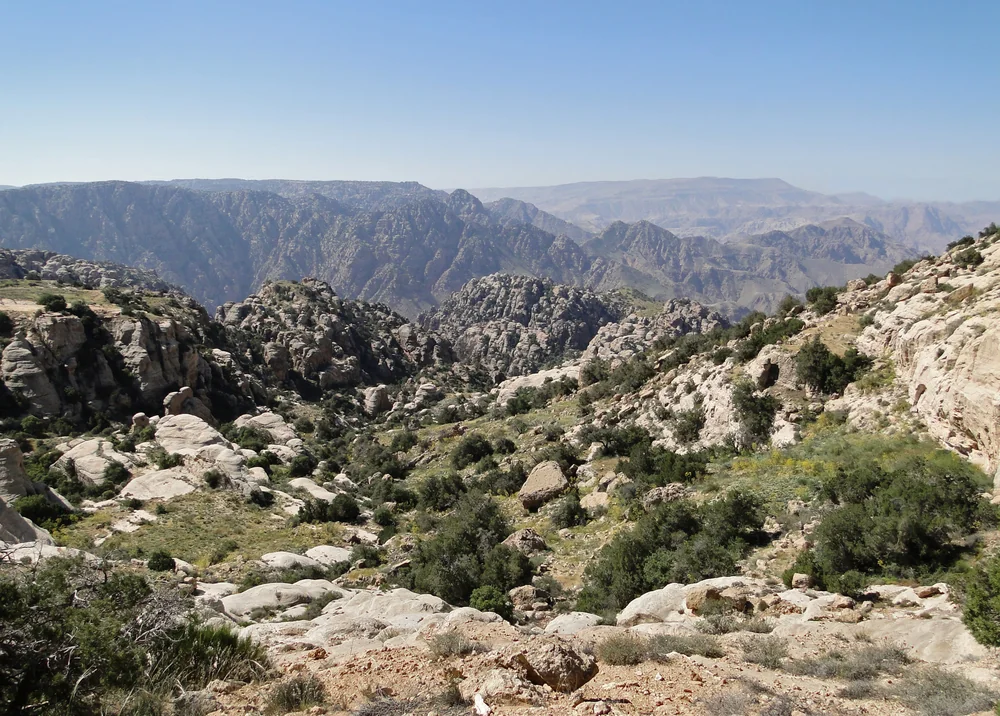
Dana and Petra are sensible companions on a multi-day journey through the south. Shobak can provide a historical counterpoint to a nature-focused stay in Dana, or a shorter visit before arriving in Wadi Musa. Leave enough daylight for unfamiliar roads and check the location of your accommodation carefully.
If you have already spent a long day walking in Petra, keep the castle visit relaxed. If you are travelling from the central highlands, avoid adding every possible stop simply because it lies near the route. A smaller number of well-paced visits creates a better understanding of the landscape than a day dominated by driving and deadlines.
A few good questions
Is Shobak a UNESCO World Heritage Site?
Shobak appears on Jordan’s UNESCO Tentative List. A tentative listing is a proposal stage and is different from inscription on the World Heritage List.
Can Shobak be combined with Petra?
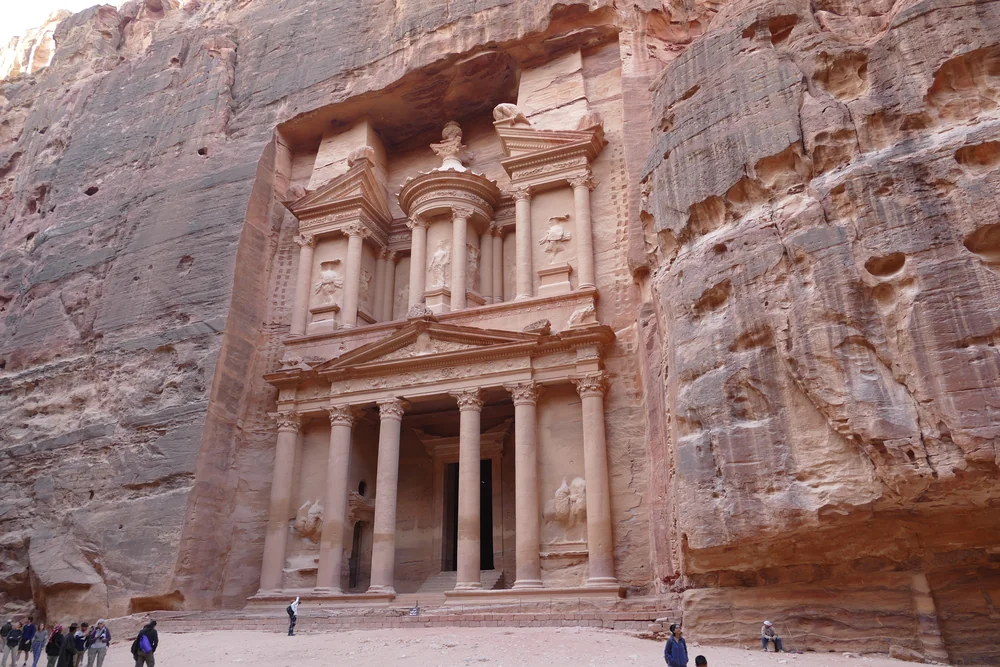
Yes, as part of a route through the south. It is usually more comfortable to visit before or after a Petra day rather than trying to interrupt a full day inside Petra itself.
Plan with reliable information
Researched using the official references below. Opening arrangements, transport, trails, and entry conditions can change; confirm the details for your visit directly.
Last editorial review: . Published by Explore Jordan, an independent travel guide.