Yellow limestone houses, steep lanes, and traditions of hospitality give As-Salt its distinctive character. Explore the living city through its architecture, museums, markets, and neighbourhood stories.
The historic centre
Walk among merchant houses built in the city’s characteristic yellow limestone.
Abu Jaber House
Use the heritage museum as a starting point for understanding the old city.
The Harmony Trail
Follow a route that connects architecture with the shared life of the city’s communities.
Look at a living heritage city
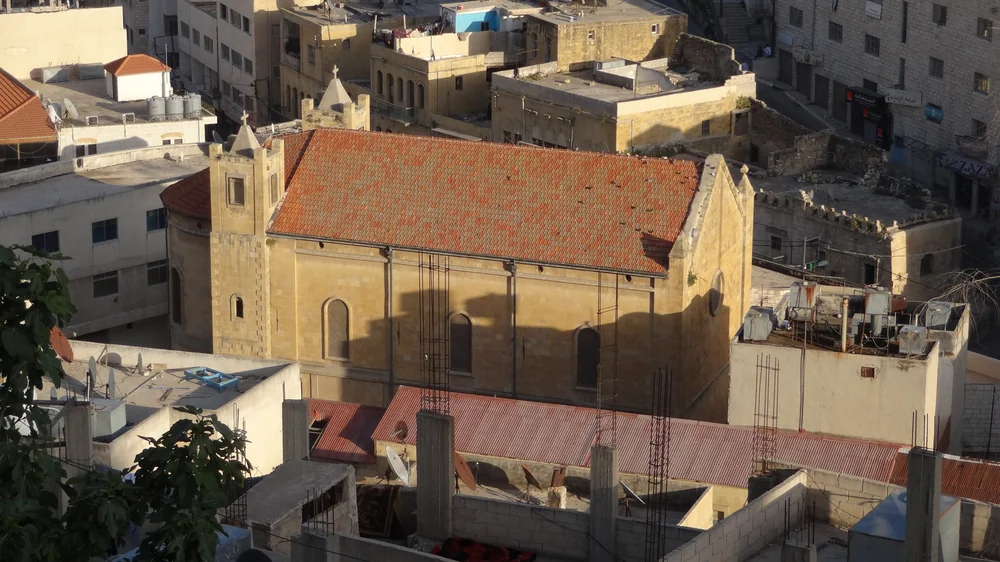
As-Salt’s UNESCO recognition centres on its historic urban fabric and traditions of tolerance and hospitality. The city developed across closely spaced hills, with substantial merchant houses and public buildings reflecting prosperity in the late Ottoman period. Its yellow limestone gives the streets a warm, cohesive appearance.
The best way to approach As-Salt is as a city where people live and work. Heritage is not confined to a fenced monument. Shops, stairways, residential entrances, and places of worship all form part of the experience, so thoughtful walking matters as much as finding the best-known buildings.
Begin with a little orientation
Abu Jaber House provides an appropriate starting point for a visit focused on the city’s history and culture. From there, a local guide or visitor map can help you follow the old streets without spending the entire walk checking directions.
The Religious Harmony Trail introduces the city through places associated with different communities. Give the route time for context rather than treating it as a list of façades. Ask before entering religious buildings, check visiting arrangements, and remember that some spaces may be in use even when the surrounding street is open to visitors.
Notice the details between landmarks
As-Salt rewards close observation: doorways, carved stone, balconies, and the way buildings follow the slope. A shorter walk with time to stop often reveals more than a long circuit completed at speed. Look up from the main shopping streets, but keep pathways and business entrances clear when taking photographs.
Build in a café or meal stop and consider a locally guided experience if you want more than architectural impressions. Ask about the stories attached to houses and neighbourhoods. Hospitality is part of the city’s identity, but private homes are still private; an open door is not an invitation to enter.
Plan for hills and a slower pace
As-Salt works well as a half-day or full-day excursion from Amman. Its hills and steps make comfortable footwear important, and anyone with limited mobility should discuss an appropriate route in advance. A driver can help reduce difficult transfers without replacing the pleasure of walking the historic streets.
If you combine the visit with Iraq al-Amir or another nearby destination, leave room for the actual road journey and your main walking route. Do not sacrifice the meal and neighbourhood time that make As-Salt distinctive. Check museum opening arrangements before setting the order of your day, and carry a layer if you expect to remain into a cool evening.
A few good questions
What makes As-Salt different from Amman?
Its compact historic centre, yellow limestone architecture, and hillside streets offer a different urban experience. It is particularly rewarding for visitors interested in heritage houses and local community stories.
Can I explore As-Salt independently?
Yes, with current visitor information and a suitable walking route. A local guide is helpful when you want to understand the buildings, community traditions, and religious heritage in more depth.
Plan with reliable information
Researched using the official references below. Opening arrangements, transport, trails, and entry conditions can change; confirm the details for your visit directly.
Last editorial review: . Published by Explore Jordan, an independent travel guide.