Ajloun pairs a medieval hilltop castle with wooded hills, village experiences, and walking in a protected forest. It is a welcome contrast to Jordan’s desert landscapes.
Ajloun Castle
Explore the Ayyubid fortress above the surrounding hills and valleys.
Forest walks
Choose a reserve route through the northern highlands with current advice from RSCN.
Village connections
Look for locally organised food and craft experiences that add context to the landscape.
Meet history on the hilltop
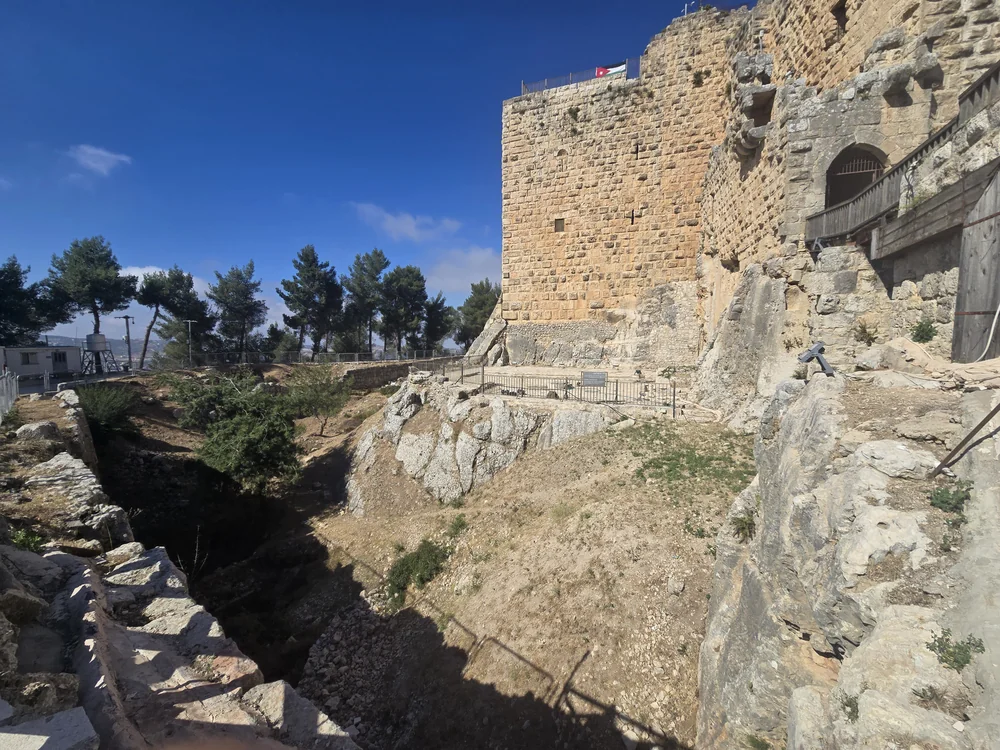
Ajloun Castle, also called Qal’at Ar-Rabad, was first built in the twelfth century under a commander of Saladin. Its position makes its defensive role easy to understand: the fortress commands wide views across the surrounding terrain.
Give the castle time beyond the exterior photograph. Walk through the permitted rooms and passages, look at the thickness of the masonry, and consider how people moved through the building. A guide can connect the architecture with the regional history while helping you distinguish its different building phases.
Plan the forest as a separate experience
Ajloun Forest Reserve protects a Mediterranean woodland landscape in Jordan’s northern highlands. Its trails provide a different kind of day from the exposed archaeological sites elsewhere in the country. The castle and reserve belong in the same regional itinerary, but they are separate places with separate access arrangements.
Ask RSCN which walk suits your group and which activities need advance booking or a guide. Distance alone is not enough to judge a route; ascent, surface, weather, and the pace of the group also matter. Bring shoes with grip and be ready to change plans if conditions make the paths unsuitable. Ask whether the route ends where it begins before arranging your transport.
Leave room for the surrounding communities
The countryside around Ajloun is part of the experience. Local food, craft activities, and village walks can make a day feel less like a journey between ticket desks. Look for experiences arranged by the community or through the reserve, and confirm their availability before arriving.
If you buy crafts or join a workshop, ask about the maker and the process. A small, direct purchase can be a meaningful part of the visit. Avoid entering farms or photographing residents without permission, even when a road or path passes close to their homes.
Choose a northern route that is not rushed
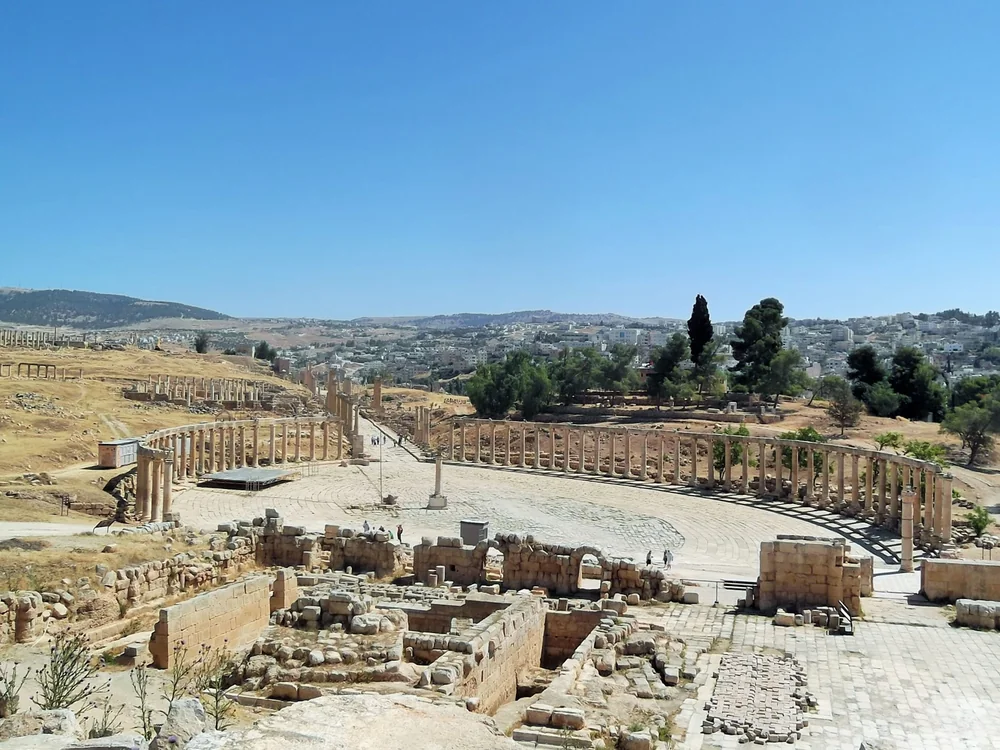
Jerash and Ajloun make a strong day pairing: classical urban archaeology followed by medieval architecture or countryside. Trying to add a substantial forest hike to both sites can make that same day too full. Decide whether the castle or the reserve is your main Ajloun priority.
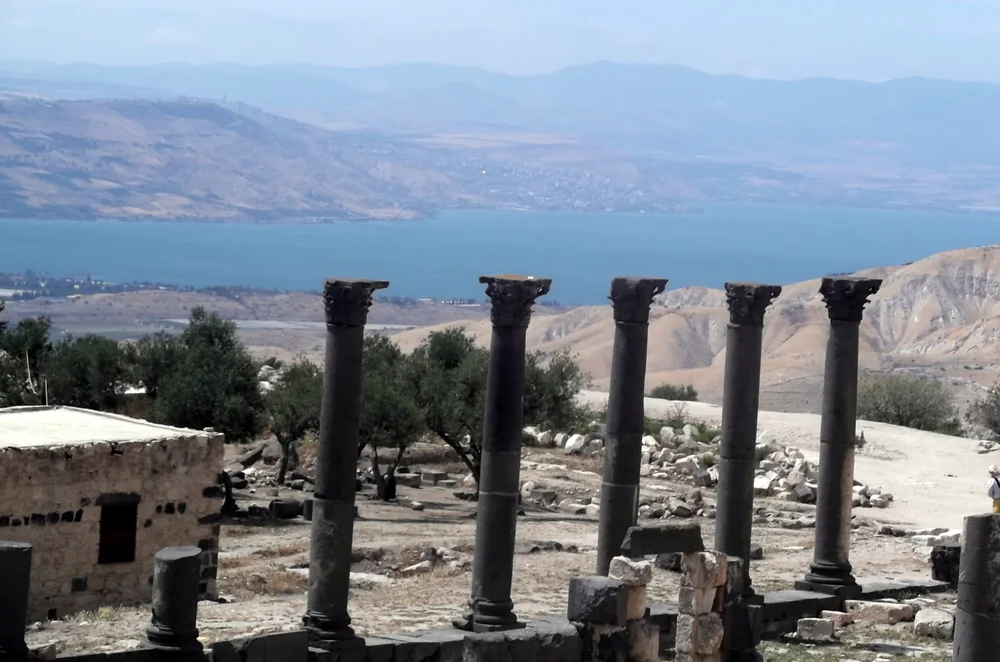
An overnight stay gives walking and village experiences more space. It also lets you continue toward Umm Qais or other northern destinations without returning immediately to Amman. Check accommodation and transport locations carefully, as the region’s hills can make apparently nearby places less convenient than expected. Take every piece of litter away and follow local guidance on protecting woodland from fire.
A few good questions
Can I visit Ajloun Castle and the forest on the same day?
Yes, with suitable transport and a modest walking plan. Confirm the reserve activity first so that travel and castle time fit around it.
How is Ajloun different from Jerash?
Jerash focuses on a large ancient city and classical architecture. Ajloun adds a medieval Islamic castle, wooded hills, and opportunities for nature and community experiences.
Plan with reliable information
Researched using the official references below. Opening arrangements, transport, trails, and entry conditions can change; confirm the details for your visit directly.
Last editorial review: . Published by Explore Jordan, an independent travel guide.