Also known as Al-Maghtas, the Baptism Site is a place of pilgrimage, archaeological remains, and quiet reflection near the Jordan River. Visit through the official arrangements and give the setting time.
The archaeological remains
Explore evidence of churches, baptismal pools, and a long tradition of pilgrimage.
The river setting
Follow the official route toward the Jordan River with the site’s guides and staff.
A meaningful pause
Leave space for reflection alongside the historical explanation.
Understand the site’s religious significance
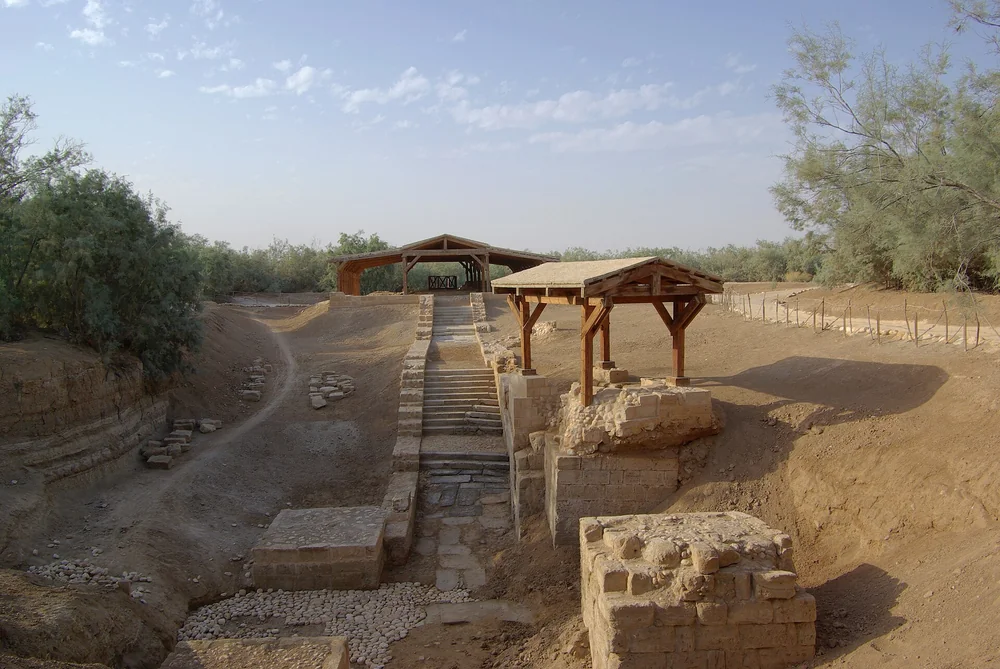
Bethany Beyond the Jordan, known locally as Al-Maghtas, is recognised in Christian tradition as the location where John the Baptist baptised Jesus. The UNESCO property lies on the eastern side of the Jordan River and includes archaeological evidence of early religious activity.
The visit is both a journey through physical remains and an encounter with a living pilgrimage tradition. Even if you are travelling mainly for archaeology, understanding the beliefs associated with the place makes the experience more complete. Allow others the quiet and space they need for prayer.
Follow the official visiting process
Plan your visit through the Baptism Site Commission’s current information. Guided routes and visitor procedures are part of how the site operates; do not assume you can drive directly to every area or explore the riverbank independently. Confirm the meeting point, tour option, and expected duration before departure.
If you are travelling with a group or arranging a religious service, make those requests ahead of time. General sightseeing access and a specifically organised ceremony are different arrangements. Keep a little flexibility around the visit so that registration, group departures, and time in the grounds do not feel rushed.
Look closely at the archaeological landscape
The site contains remains associated with churches, chapels, pools, and monastic life. These are often more modest in appearance than Jordan’s monumental façades, and that makes interpretation particularly helpful. Listen to how the guide connects the different features rather than expecting one single spectacular building.
Take the opportunity to understand the wider valley as well. The natural setting and relationship with water are essential to the meaning of Al-Maghtas. Use permitted paths, observe photography instructions, and avoid treating areas intended for worship as staging points for an elaborate photo session.
Pair the visit with the valley thoughtfully
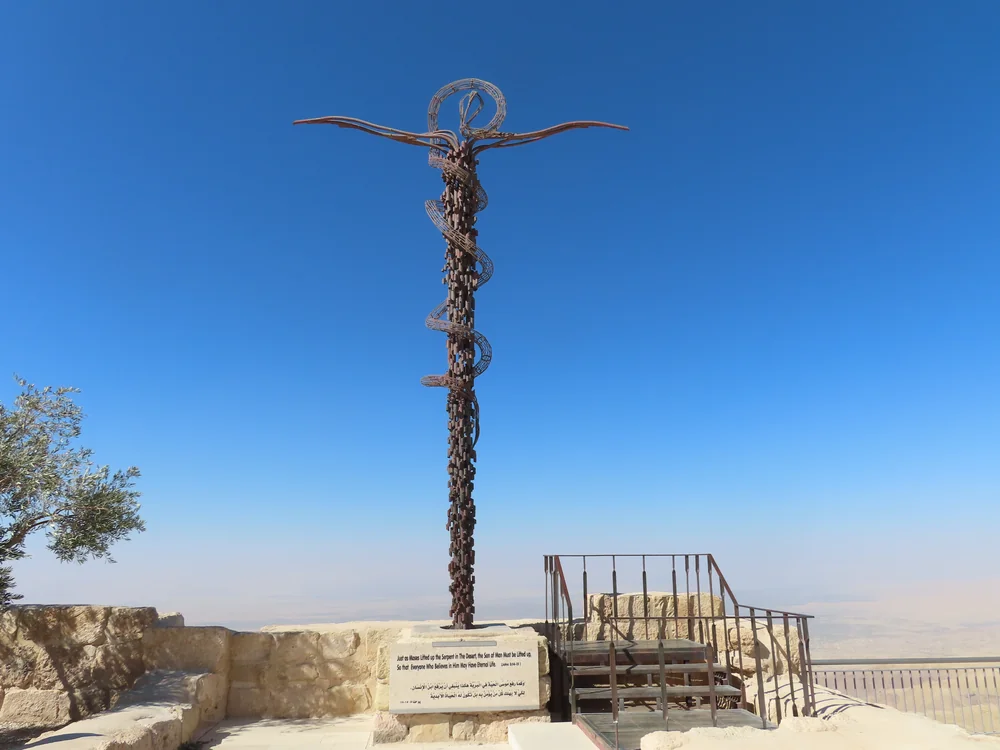
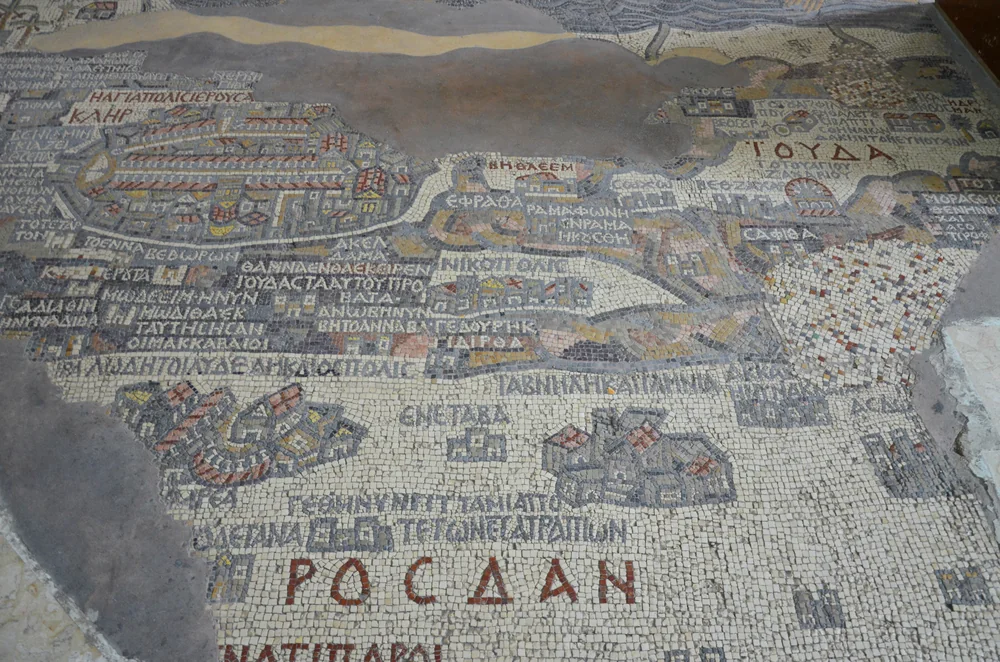
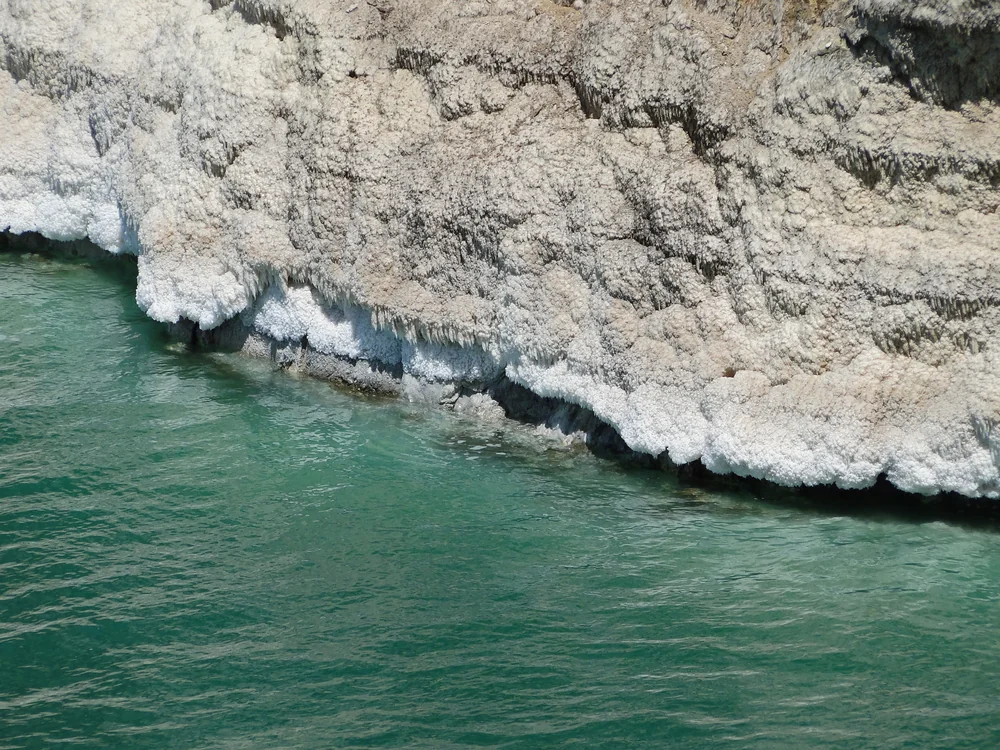
The Dead Sea is a natural nearby companion, while Madaba and Mount Nebo create a broader day focused on Christian heritage. The strongest itinerary depends on your purpose: pilgrims may want more reflective time, while general travellers may prefer one sacred site and a restful afternoon.
Bring water, a hat, and comfortable footwear for outdoor walking. The valley can feel different from the highlands, so check the forecast for the actual site. Dress respectfully and ask about accessibility if anyone in the group needs assistance. Follow official instructions around the river at all times; participation in any baptism or religious activity must use the site’s authorised arrangements.
A few good questions
Can non-Christian visitors explore the Baptism Site?
Yes, it also interests visitors studying archaeology and regional history. Everyone should respect its religious role and follow the official visiting arrangements.
Do I need to arrange a baptism separately?
Yes. A sightseeing visit is different from a baptism or other religious service. Contact the Baptism Site Commission in advance to understand the permitted arrangements and what is required.
Plan with reliable information
Researched using the official references below. Opening arrangements, transport, trails, and entry conditions can change; confirm the details for your visit directly.
Last editorial review: . Published by Explore Jordan, an independent travel guide.