Mount Nebo combines a major biblical association with mosaic art and far-reaching views over the Jordan Valley. It is a reflective, rewarding stop close to Madaba.
The memorial church
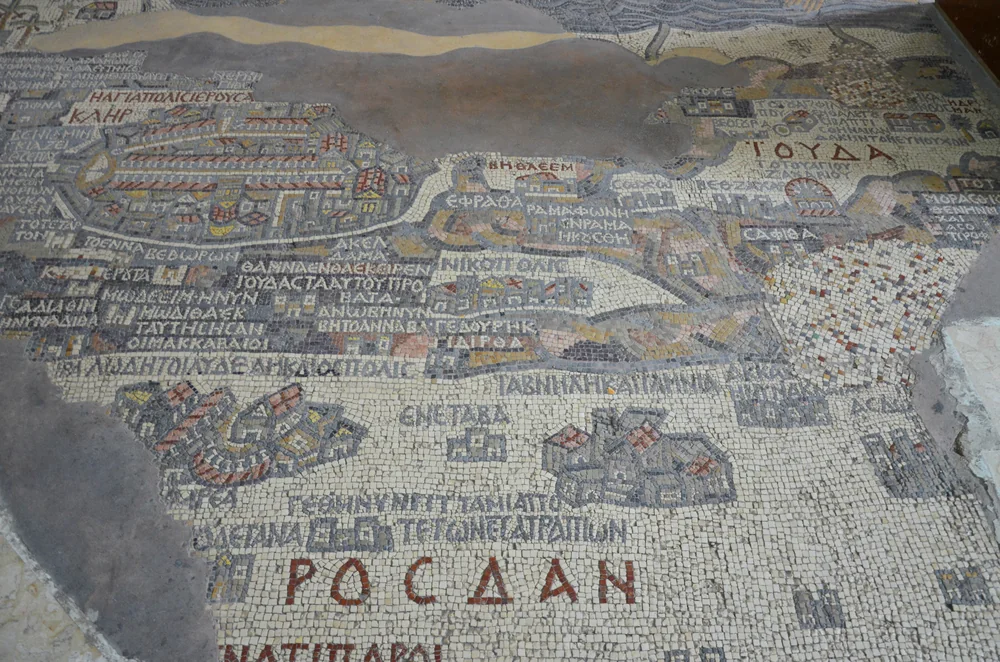
Look closely at the mosaics preserved within the sanctuary dedicated to Moses.
The valley panorama
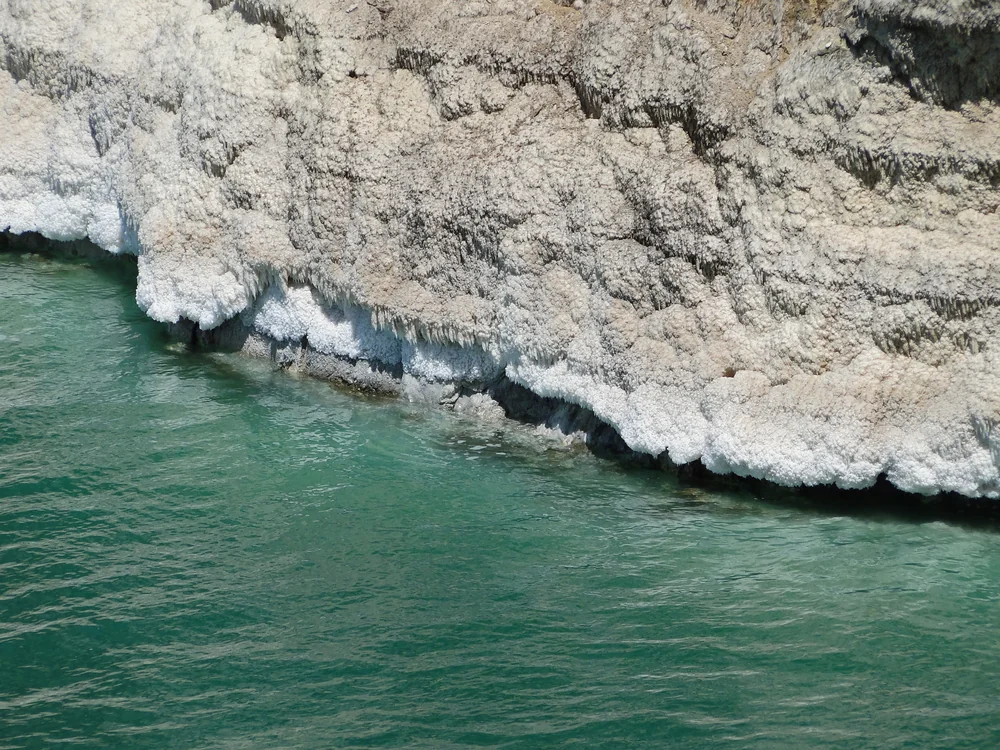
On a clear day, the outlook helps explain the geography of the Dead Sea and Jordan Valley.
A pilgrimage setting
Allow space for quiet reflection alongside the archaeological and artistic interest.
Understand the significance before you arrive
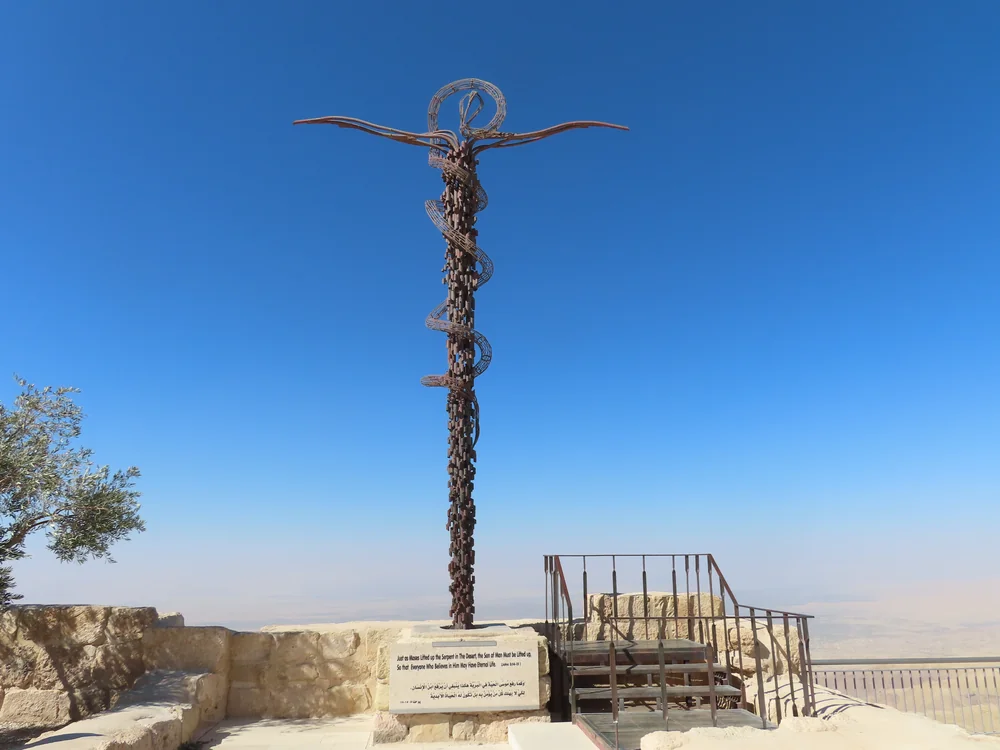
Mount Nebo is traditionally associated with Moses viewing the Promised Land. A church and monastic presence developed here to commemorate that tradition, making the site important to generations of Christian pilgrims. The religious association is part of its meaning, while the surviving mosaics and landscape offer additional reasons to visit.
Reading a little background before arrival helps a compact site feel richer. If your group includes both pilgrims and general travellers, leave room for different interests: some may want time in the sanctuary, while others prefer to study the artworks and orientation points outside.
Look carefully inside the sanctuary
The mosaic floors reward patient observation. Rather than scanning an entire surface at once, choose a small section and notice the colours, figures, and arrangement of the stones. Interpretation and a knowledgeable guide can help you distinguish what survives from different phases.
Treat the church as an active sacred space. Follow the staff’s directions, keep voices low, and check photography rules. If a service or organised pilgrimage is taking place, adjust your visit around it instead of expecting unrestricted access at every moment.
Let the view explain the journey
The outlook toward the Jordan Valley and Dead Sea connects the places on a map with the scale of the landscape. Visibility varies: haze, dust, and weather can soften or obscure distant landmarks. The panorama is a welcome part of the visit, but it should not be the only reason you come.
A clear day gives a particularly strong sense of the descent from the highlands toward the valley. Bring a light layer when conditions are cool or windy, and use the designated viewing areas. Photographs are most satisfying when you have time to observe how the light changes rather than immediately leaving for the next stop.
Pair Mount Nebo with the right day
Madaba makes the simplest companion, with the Madaba Map and other mosaic sites adding context. If you continue down toward the Dead Sea, remember that the road journey and an organised visit elsewhere in the valley need their own time. A short distance on the map does not make every combination a relaxed half-day.
Allow around one to two hours as a planning suggestion, with more time if you are visiting for worship or using a guide. Confirm current opening and access information before departure. Visitors with specific mobility needs should ask about the available route through the sanctuary and viewing areas rather than relying on a general description of the site.
A few good questions
Do I need to be on a pilgrimage to visit Mount Nebo?
No. Visitors also come for the mosaics, historical setting, and views. Respectful behaviour in the sanctuary is appropriate for everyone.
Will I always be able to see distant landmarks?
No. Weather, haze, and dust affect visibility. Plan to enjoy the sanctuary and mosaics as well as the outlook, rather than depending on a perfectly clear panorama.
Plan with reliable information
Researched using the official references below. Opening arrangements, transport, trails, and entry conditions can change; confirm the details for your visit directly.
Last editorial review: . Published by Explore Jordan, an independent travel guide.