Madaba’s mosaics reward close attention, from the celebrated map in St George’s Church to floors preserved around the old town. It is also a comfortable base for exploring the central highlands.
The Madaba Map
See the surviving sixth-century mosaic map inside St George’s Church.
Archaeological parks
Trace the city’s Byzantine and early Islamic layers through preserved mosaics and building remains.
A slower old-town walk
Pair the principal sights with craft shops, a meal, and time to look at the city around them.
Begin with the map, then widen the picture
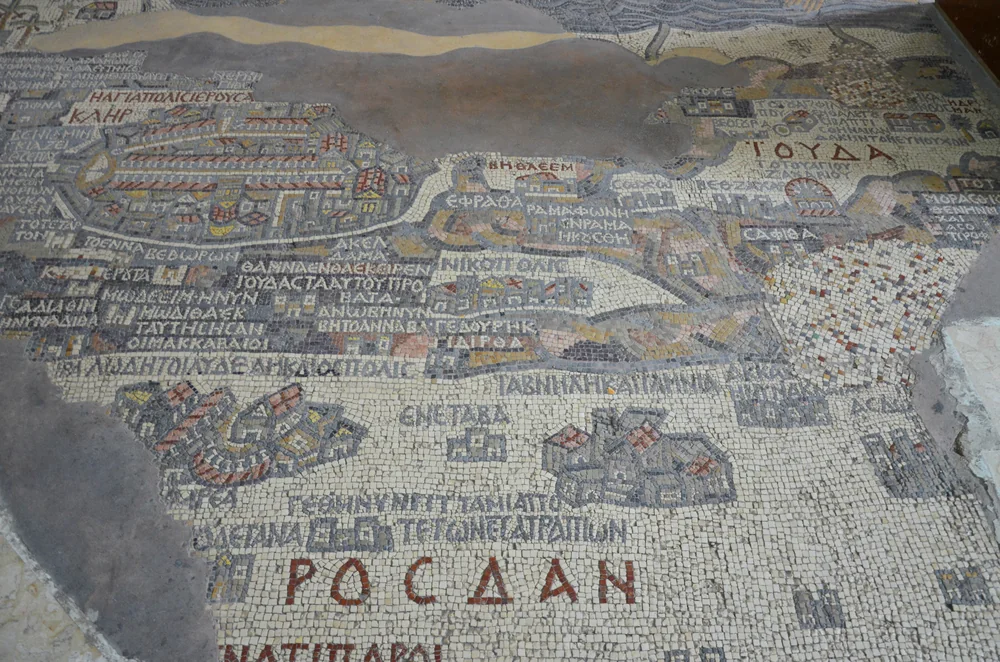
The mosaic map in the Greek Orthodox Church of St George is Madaba’s best-known sight. Made in the sixth century, it depicts places in the Holy Land using an intricate arrangement of stone pieces. It deserves a careful look rather than a brief photograph from the doorway.
Read the interpretation before studying the surviving floor. Having a few landmarks in mind makes the details easier to follow, and a local guide can help connect the map with the region you are travelling through. Remember that the church is also a place of worship, so visiting arrangements may reflect religious services.
Follow the mosaics through town
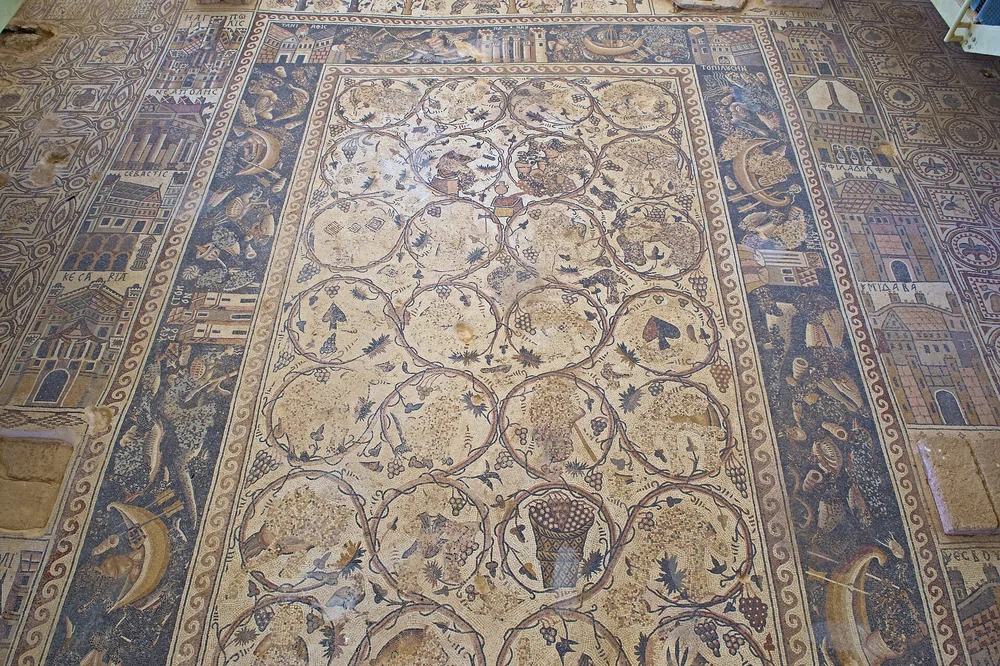
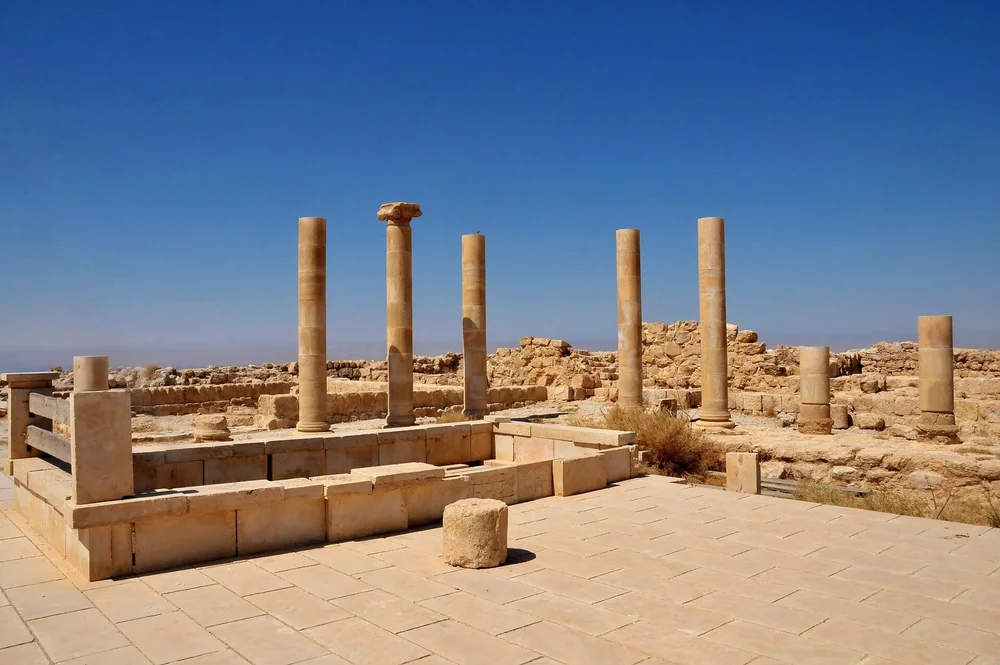
Madaba’s archaeological parks and the Church of the Apostles provide further opportunities to see mosaic work and the settings in which it was used. The appeal lies in comparison: different designs, rooms, and periods reveal how varied the art can be.
Rather than assuming every attraction shares the same ticket or schedule, check arrangements at each site. A half-day route can focus on the map and one or two additional stops. Leave time for the streets between them, where a café break or small workshop can change the rhythm of an otherwise concentrated heritage visit.
Make room for craft and conversation
Madaba is a good place to look more closely at the work involved in making a mosaic. If you visit a workshop, ask about the materials, techniques, and who made the pieces for sale. A well-chosen small object with a clear local connection can be more meaningful than a generic souvenir.
Food belongs in the plan too. Choose a lunch stop that allows you to rest between visits rather than carrying on through every monument at the warmest part of the day. Ask permission before photographing people or work in progress, especially in small businesses where the activity is someone’s daily livelihood.
Use Madaba as a central Jordan base
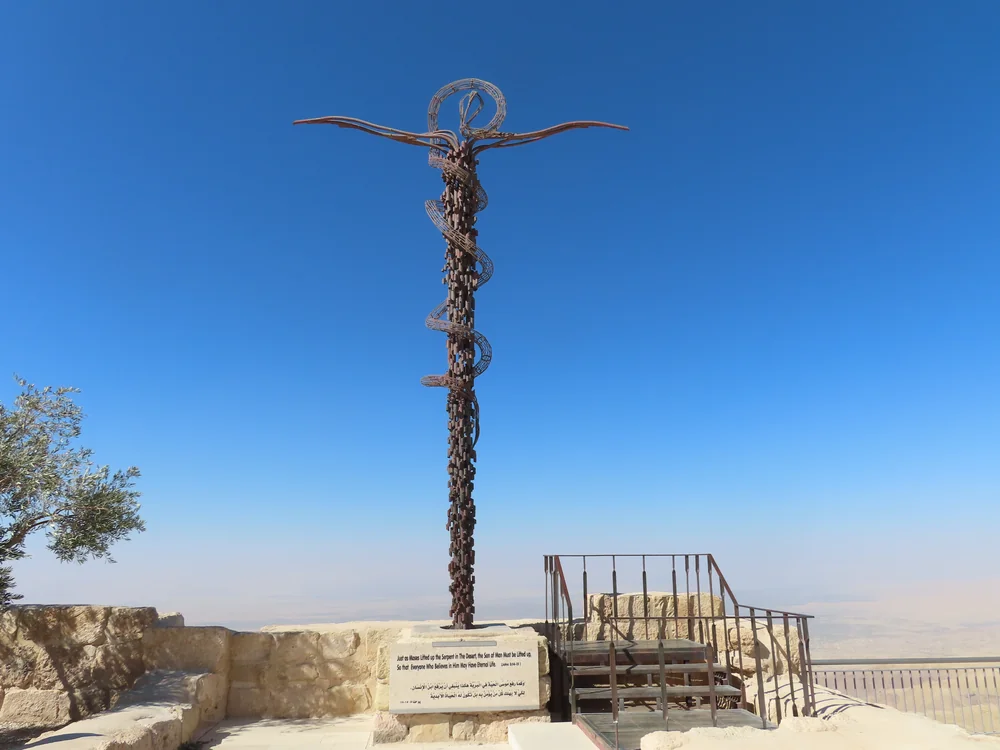
Mount Nebo is a natural companion to Madaba, bringing wider views and a different pilgrimage setting. Umm ar-Rasas offers another mosaic-rich archaeological visit farther afield, while Mukawir suits travellers interested in an exposed hilltop landscape and biblical history.
Choose one substantial excursion rather than trying to add them all to a brief city visit. Madaba can also work at the start or finish of a trip using Queen Alia International Airport, provided you calculate the actual transfer and leave a generous flight buffer. Spend the evening in town if you want the day to feel less like a procession of stops.
A few good questions
Can Madaba and Mount Nebo be visited together?
Yes. The combination works well as a day centred on mosaics, religious heritage, and the landscape west of Madaba. Start with the site that has the more restrictive visiting arrangements.
Is Madaba only for religious travellers?
No. Its mosaics, archaeology, crafts, and manageable old-town setting also appeal to visitors interested in art, history, and everyday city life.
Plan with reliable information
Researched using the official references below. Opening arrangements, transport, trails, and entry conditions can change; confirm the details for your visit directly.
- Jordan Tourism Board: Madaba
- Jordan Tourism Board: Three days from Amman
- Jordan archaeological sites and tickets
Last editorial review: . Published by Explore Jordan, an independent travel guide.