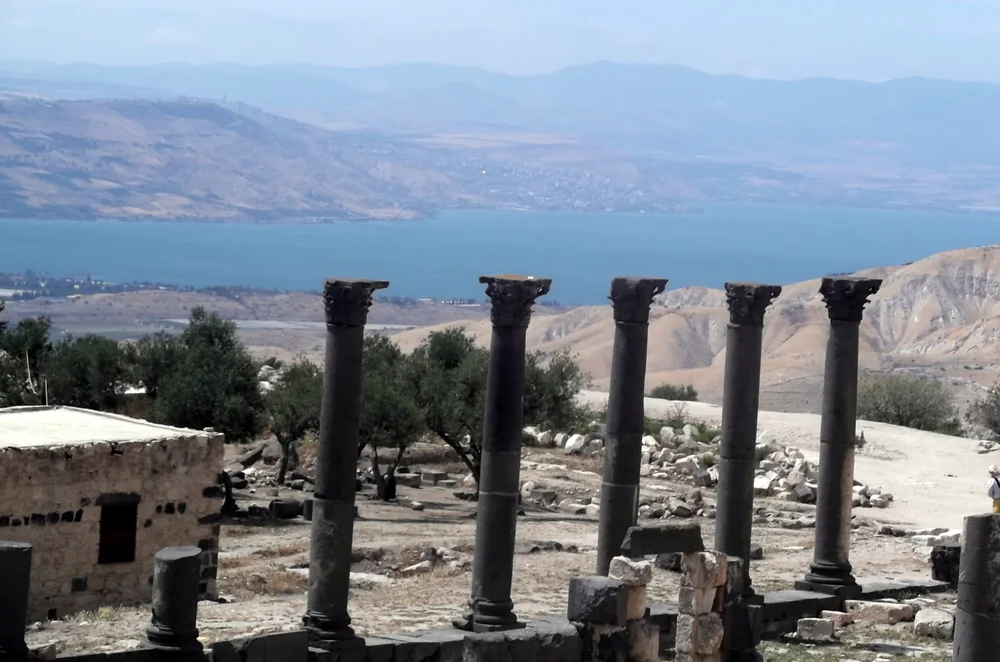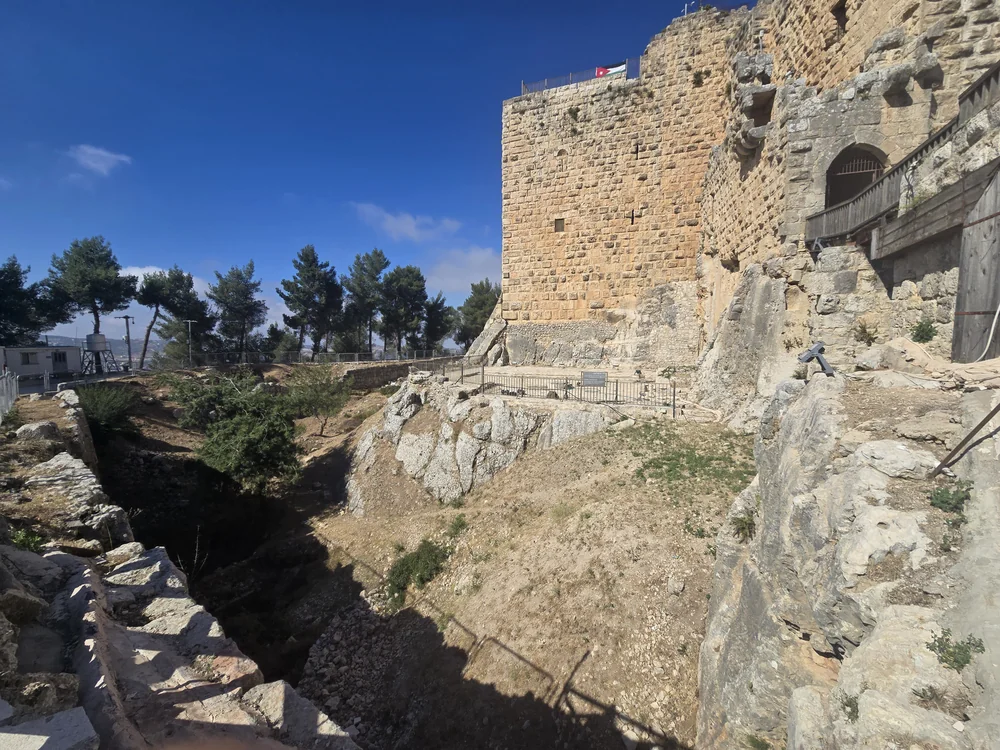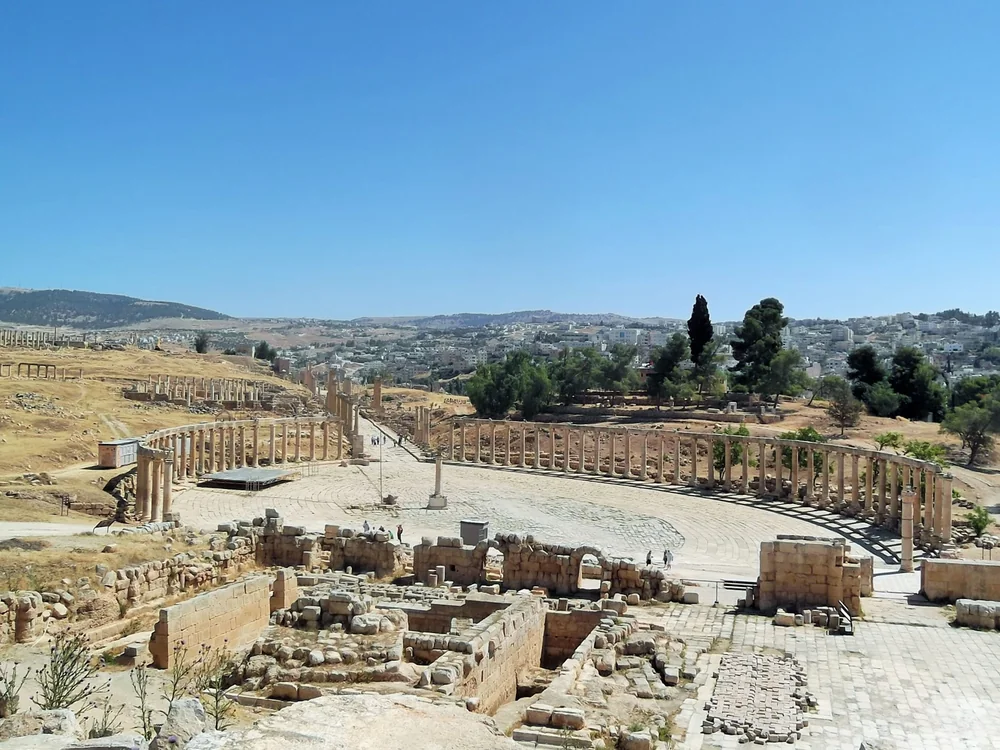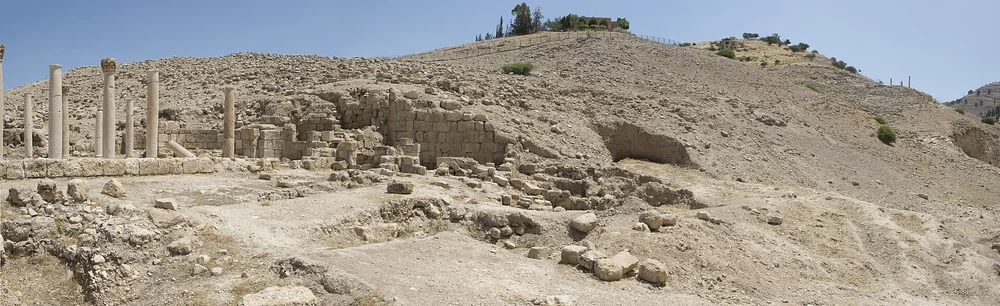
Pella spreads across the foothills of the northern Jordan Valley, where long human occupation is visible in layers of archaeological remains. It rewards travellers who enjoy quiet landscapes and the process of understanding a site.
A long archaeological sequence
Look beyond the classical period to the many chapters of occupation represented at the site.
The valley setting
Notice the relationship between settlement, water, fertile land, and surrounding hills.
A quieter northern stop
Give the remains time with interpretation or a knowledgeable guide.
Come for the layers of history
Pella, also known as Tabaqat Fahl, is an archaeological site in the northern Jordan Valley with evidence spanning many periods. Although associated with the Decapolis, it is not simply a Roman city. The visible remains form only part of a much longer story of settlement and use.
This makes Pella especially rewarding for visitors interested in how archaeologists reconstruct the past. Ask which features belong to which period, and avoid expecting every wall or mound to represent one unified city plan. A modest-looking area can contain evidence of several successive lives.
Use the landscape to understand the site
The valley setting helps explain why people returned to this location. Water, agricultural land, and connections through the surrounding region shaped the settlement’s opportunities. Look at the terrain as carefully as the architectural remains.
A site plan or guide will help you distinguish the main areas and choose an appropriate route. Rather than walking everywhere, identify a few features to study closely. Do not enter excavation trenches or climb unstable remains, and leave pottery fragments and other material where they lie. Their location is part of the archaeological evidence.
Adjust your expectations to the experience
Pella does not offer the same continuous monumental streetscape as Jerash. Its appeal is more about landscape, fragments, and historical depth. Visitors who enjoy interpretation and a quieter pace may find this especially satisfying, while those with very limited time may prefer to prioritise the larger classical site first.
Bring water, sun protection, and shoes suitable for uneven ground. Check which areas are currently accessible, and plan around the actual conditions rather than a fixed walking distance from an old account. A short but informed visit often gives more insight than a long circuit without context.
Build a considered northern itinerary
Umm Qais is a useful companion because it offers another Decapolis-related site with a different position and architectural character. Ajloun can add medieval history or woodland if you have more time in the north. Choose your route based on actual driving conditions and the amount of walking you want.
An overnight stay in the region can make these combinations less hurried than repeated day trips from Amman. If you have only one day, select two complementary experiences and leave time for lunch. Pella appears on Jordan’s UNESCO Tentative List; that status is distinct from a fully inscribed World Heritage property and should be understood as such.
A few good questions
Is Pella similar to Jerash?
Both connect with the region’s classical history, but Pella is a more dispersed archaeological landscape with many periods represented. Jerash is the clearer choice for a first encounter with monumental Roman urban architecture.
Is a guide useful at Pella?
Yes. Interpretation helps distinguish the periods and understand remains that may otherwise look like unrelated walls and foundations. A guide is especially valuable if archaeology is a main interest.
Plan with reliable information
Researched using the official references below. Opening arrangements, transport, trails, and entry conditions can change; confirm the details for your visit directly.
- UNESCO tentative listing: Pella
- Jordan Tourism Board: Ajloun and the northern trail
- Jordan archaeological sites and tickets
Last editorial review: . Published by Explore Jordan, an independent travel guide.