Pools, reeds, birdlife, and a powerful conservation story make Azraq an unexpected stop in Jordan’s eastern desert. Visit slowly and let the reserve’s quieter details come into focus.
Wetland observation
Use the visitor routes and observation areas to watch without disturbing wildlife.
Birdlife
Bring binoculars and allow patient viewing time; species and activity vary with the season.
The conservation story
Learn how water use and restoration have shaped the wetland you see today.
Understand the oasis before the walk
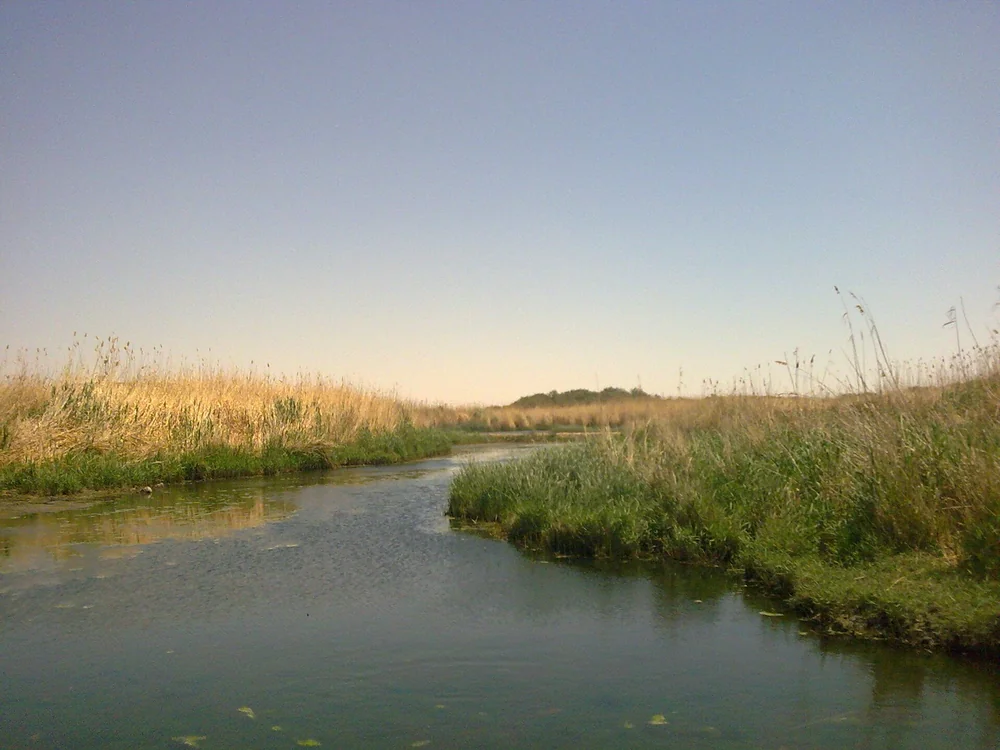
Azraq Wetland Reserve protects part of an oasis in eastern Jordan. The reserve is managed by RSCN and has an important role for wildlife, including migratory birds and the endemic Azraq killifish. Its history also reveals the consequences of heavy pressure on groundwater.
The landscape is best understood through that conservation story. Do not expect every area to resemble an old photograph of the oasis at its fullest. Begin with the visitor information, ask how conditions have changed, and let that context guide the way you look at the water, reeds, and dry ground.
Give wildlife time to appear
Birdwatching is more rewarding when it is patient. Move quietly on the authorised routes, pause at observation points, and use binoculars rather than trying to approach animals. A short walk can fill a substantial visit if you stop to watch what is happening around you.
Species and sightings depend on season, weather, and the time of day. Ask the reserve team what has recently been observed and whether a guide would improve your visit. Avoid planning around a guaranteed encounter with a particular species; the pleasure lies in observing the reserve as it is.
Make conservation part of the experience
Azraq offers a clear opportunity to connect a travel experience with the practical work of protecting habitat. Interpretation can explain water management, restoration, and the relationship between the reserve and its wider surroundings. Ask questions about that work rather than judging the visit only by the number of birds you photograph.
Stay on designated routes, do not feed wildlife, and take rubbish away. If you are travelling with children, turn the visit into a quiet observation exercise: noticing tracks, colours, movement, and habitat can be as engaging as spotting a large animal. Check which activities are appropriate for their ages.
Build an eastern Jordan stay around it
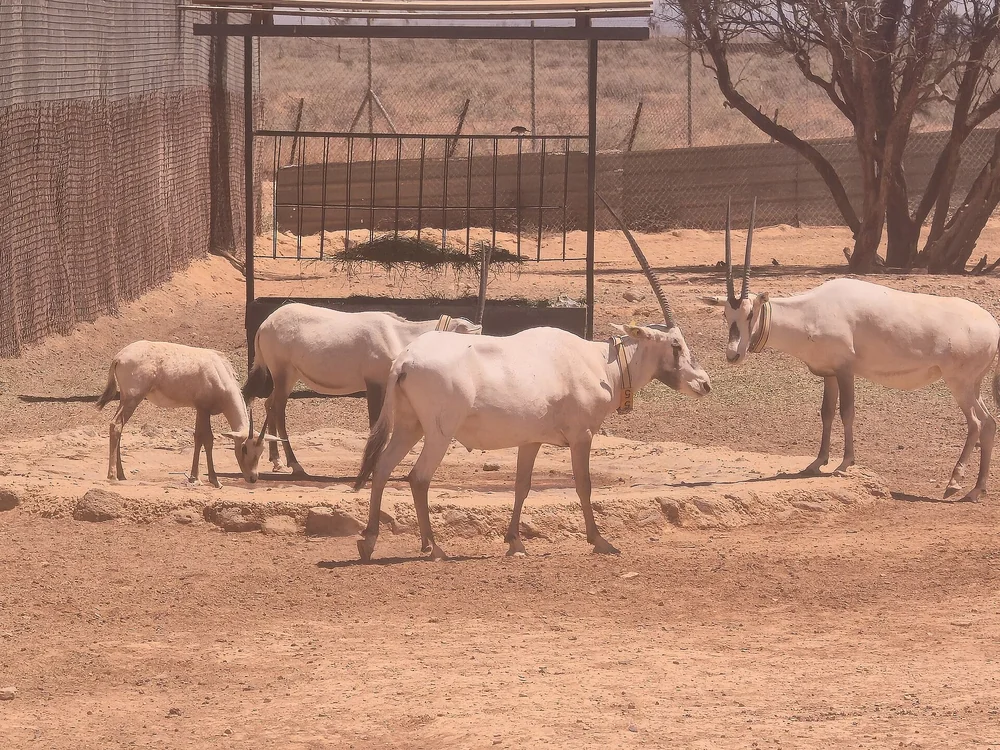
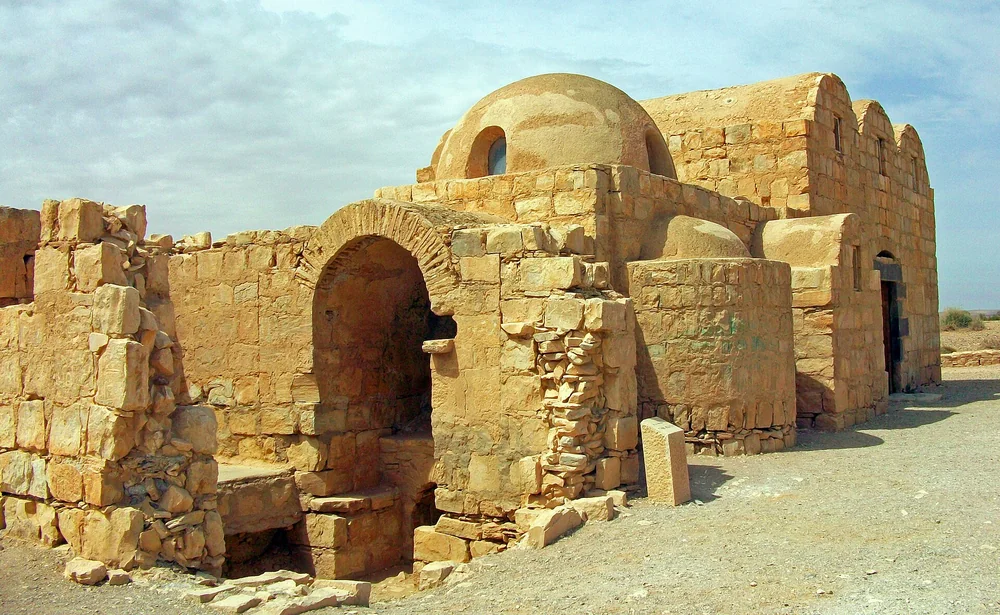
Azraq can be paired with Shaumari Wildlife Reserve or selected desert heritage sites such as Quseir Amra. Each offers a different experience, and their schedules should be confirmed separately. An overnight stay in the area can reduce the pressure of a long return journey to Amman.
For a day trip, choose one nature visit and a manageable number of heritage stops. Bring water and sun protection even if your main interest is a wetland, and check the weather for the eastern desert. Confirm guided activities and visitor facilities directly with RSCN, especially when travelling outside busy periods or with specific access needs.
A few good questions
Is Azraq only interesting for experienced birdwatchers?
No. The reserve also suits visitors interested in desert ecology and conservation. Binoculars and a patient pace help, but you do not need to identify every species to enjoy the visit.
Can I combine Azraq and Shaumari?
Yes, they are a logical eastern Jordan pairing. Confirm activity times and transport first, then leave enough time to appreciate the different habitats and conservation work at each reserve.
Plan with reliable information
Researched using the official references below. Opening arrangements, transport, trails, and entry conditions can change; confirm the details for your visit directly.
Last editorial review: . Published by Explore Jordan, an independent travel guide.