A small desert building with an extraordinary painted interior, Quseir Amra offers a vivid encounter with early Islamic art. Make it a thoughtful stop on a journey into Jordan’s eastern desert.
The painted interiors
Look for the figurative murals that distinguish this early Umayyad complex.
The bathhouse
Understand the sequence of spaces and the role of water within the original establishment.
A desert heritage route
Pair the visit selectively with other eastern sites rather than rushing through every castle.
Let the small scale surprise you
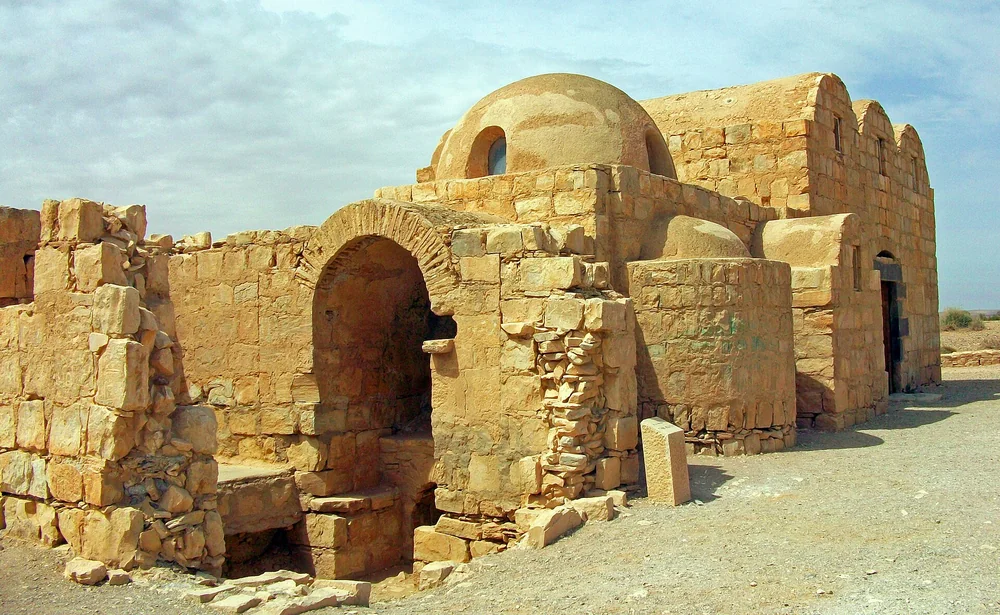
Quseir Amra is an early eighth-century Umayyad establishment recognised by UNESCO. Its surviving reception hall and bath complex contain remarkable wall and ceiling paintings. The exterior is modest compared with Jordan’s great castles, which makes the richness inside especially striking.
Arrive with time to look carefully rather than judging the stop by the size of the building. A guide or clear interpretation can help you understand the rooms and the paintings as parts of a designed setting. The value of the visit lies in details that are easy to miss during a hurried circuit.
Study the paintings with care
The imagery includes human and animal figures and scenes that offer insight into the visual world of the early Islamic period. Rather than trying to name every figure yourself, use the available interpretation to distinguish established explanations from speculation.
Give your eyes time to adjust indoors, and follow all photography and conservation instructions. Never touch a painted surface or lean equipment against the walls. A good photograph is less important than preserving fragile material that has survived for centuries. If access to a room is restricted, ask about what can be viewed from the permitted position.
Understand the landscape beyond the building
The bathhouse makes water a useful theme for the visit. In a desert environment, the practical arrangements behind such a complex are as interesting as its decoration. Look for the relationship between surviving structures and the surrounding terrain, using the interpretation to understand what belongs to the site.
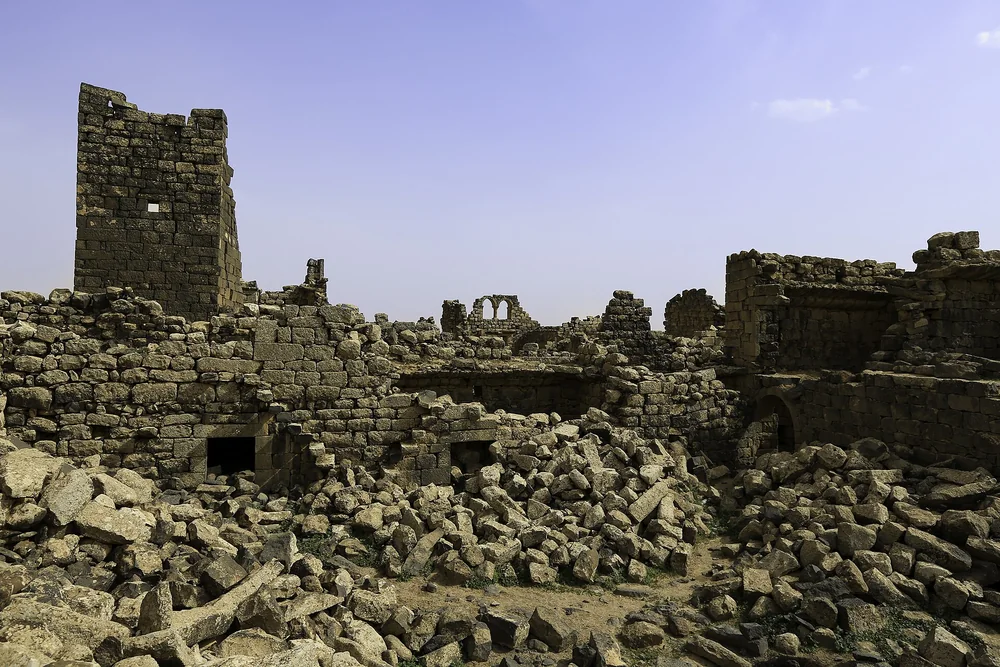
The wider group commonly called Jordan’s desert castles includes buildings with different functions and histories. Avoid assuming they were all military fortresses or all built for the same purpose. Comparing a small decorated complex with a more imposing enclosure can make an eastern route much more informative.
Plan an eastern day with a clear focus
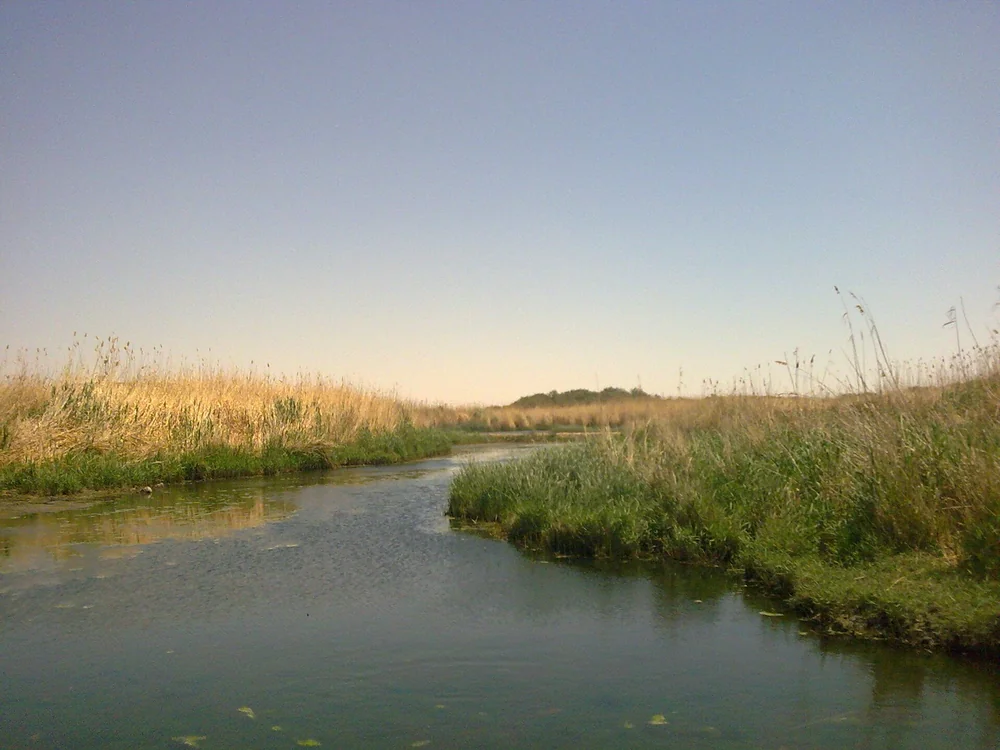
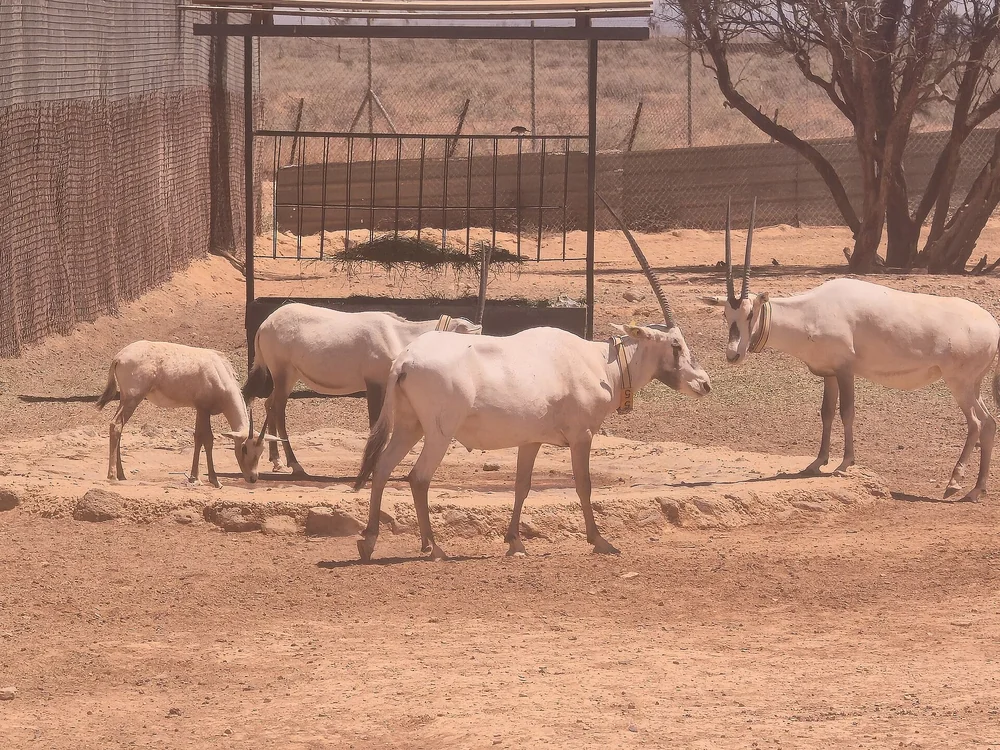
Quseir Amra can be combined with selected desert castles and, with enough time, a stay around Azraq. Wildlife and wetland visits follow their own operating arrangements, so confirm those first if they are central to the day. A heritage-focused excursion may be more satisfying with only a few carefully chosen sites.
Carry drinking water, sun protection, and anything you need between stops. Arrange dependable transport and allow for the return journey rather than staying until the last possible moment at every site. Check opening and conservation access in advance. If your interests are mainly art and architecture, ask for a guide who can give the murals the explanation they deserve.
A few good questions
Is Quseir Amra the same as Qasr Kharana?
No. They are separate sites on eastern Jordan heritage routes. Quseir Amra is particularly important for its painted interiors; check the names carefully when arranging transport.
How much time should I allow?
Around 45–90 minutes is a useful starting point. Visitors with a strong interest in art or a specialist guide may want longer, subject to the current access arrangements.
Plan with reliable information
Researched using the official references below. Opening arrangements, transport, trails, and entry conditions can change; confirm the details for your visit directly.
Last editorial review: . Published by Explore Jordan, an independent travel guide.