Shaumari introduces the wildlife and conservation work of Jordan’s eastern desert. Join an authorised visit to learn about Arabian oryx and the long effort to protect threatened species.
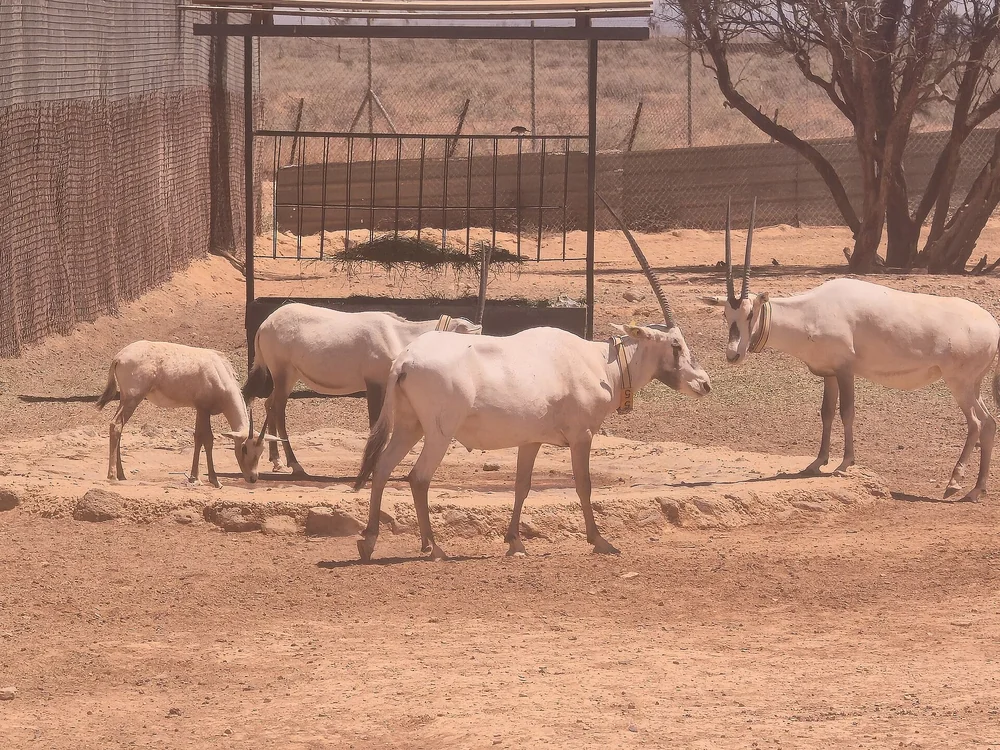
Arabian oryx
Learn about the reserve’s role in breeding and conserving this distinctive desert animal.
Guided observation
Choose an authorised activity that explains both the animals and the habitat around them.
Eastern desert ecology
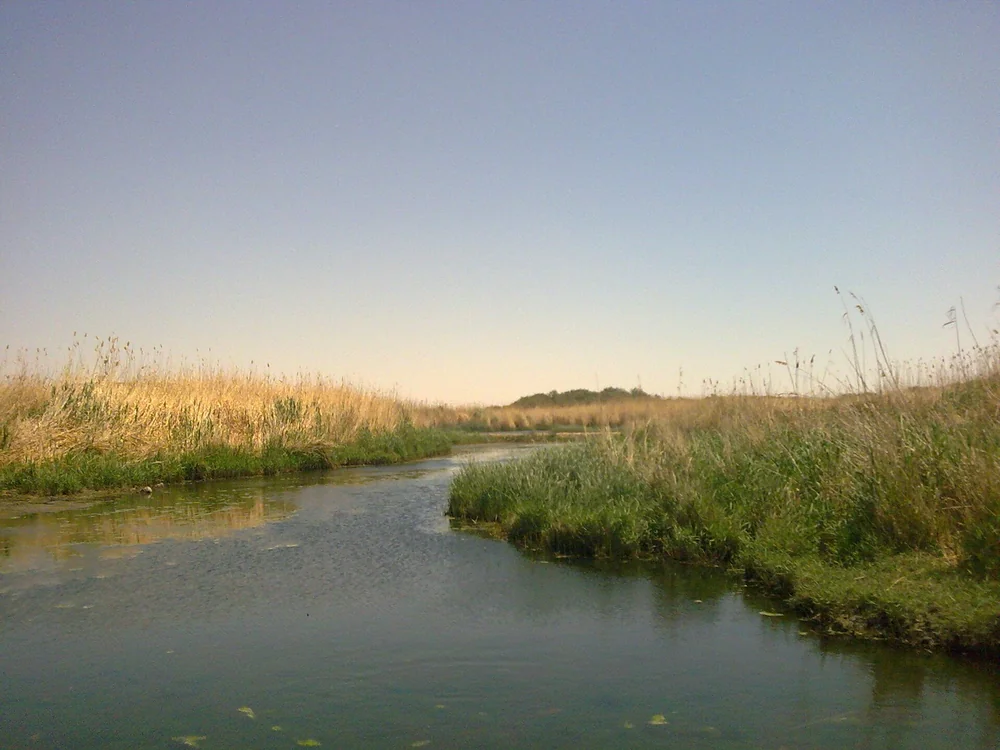
Pair the visit with Azraq to appreciate the contrast between dryland and wetland conservation.
Visit for the conservation story
Shaumari was established by the Royal Society for the Conservation of Nature as a pioneering wildlife reserve in Jordan. Its history is closely linked to breeding and reintroduction work involving species such as Arabian oryx, gazelles, ostriches, and onagers.
That background gives the visit its purpose. This is a managed conservation setting, and the experience is strongest when you learn why the reserve exists and how it works. Ask about the current programmes rather than expecting every species mentioned in its history to be visible during your particular visit.
Arrange the right activity in advance
Contact RSCN to find out which guided visits are operating and how they should be booked. Ask about duration, the type of vehicle or walking involved, group size, and any age or mobility requirements. Clear arrangements make the day easier, especially if you are combining Shaumari with other eastern destinations.
A guide can explain behaviour and point out features of the habitat that are not obvious from a vehicle. Listen to the briefing, follow instructions about remaining in designated areas, and let wildlife determine the pace. A successful visit is not measured by how close you can get to an animal.
Observe quietly and travel lightly
Bring binoculars if you have them and use a camera zoom instead of moving closer. Do not feed, call to, or try to touch wildlife. Even when animals appear accustomed to vehicles, they are not props for a photograph.
Prepare for the desert setting with water, a hat, and sun protection. A layer may be useful in cooler conditions or on an open-vehicle excursion. Check what facilities and refreshments are available instead of assuming you can buy everything on arrival. Families should ask how the programme is adapted for younger visitors and choose a realistic length of activity.
Connect the drylands with Azraq
Shaumari and Azraq Wetland Reserve make a meaningful combination because they show different conservation challenges within the same broad eastern region. Start with the activity that has a fixed departure time, and leave enough room between them for travel and a proper break.
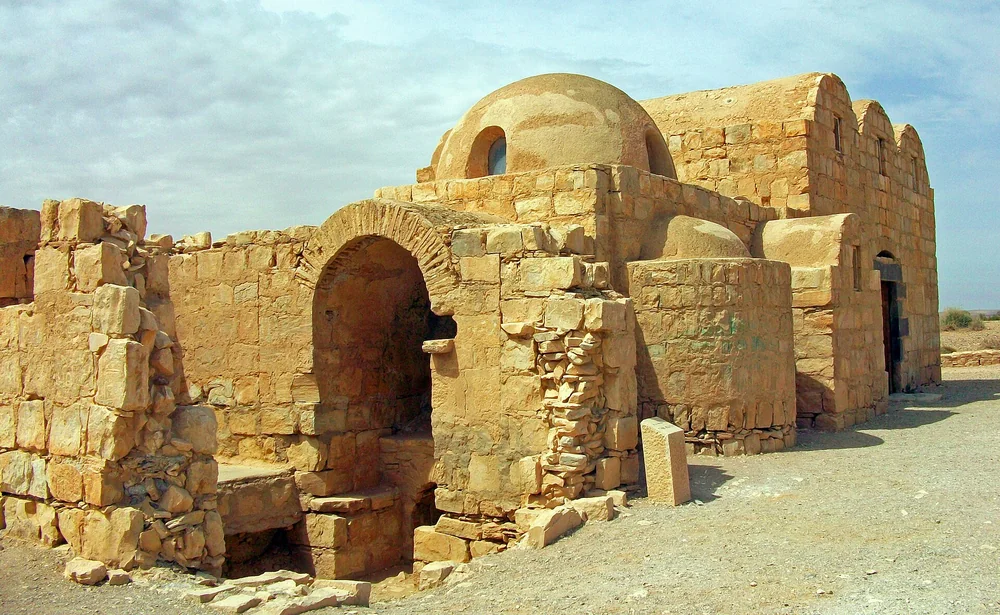
Quseir Amra or another selected desert heritage stop can add a historical dimension, but avoid turning the day into a hurried circuit of unrelated places. An overnight in the Azraq area may suit travellers who want more patient wildlife observation. Confirm all arrangements close to the visit, keep the route flexible, and remember that wildlife sightings and particular animal behaviour can never be guaranteed.
A few good questions
Is Shaumari a self-drive safari?
Do not assume so. Use the reserve’s authorised activities and ask RSCN how visits currently operate, including guide, vehicle, and booking arrangements.
Will I definitely see Arabian oryx?
The reserve is strongly associated with oryx conservation, but no wildlife encounter should be treated as guaranteed. Ask staff about the current visitor programme and approach the visit as an opportunity to learn as well as observe.
Plan with reliable information
Researched using the official references below. Opening arrangements, transport, trails, and entry conditions can change; confirm the details for your visit directly.
Last editorial review: . Published by Explore Jordan, an independent travel guide.